Moose
Moose is a rich, deeply flavored wild game meat that rewards patient cooks with some of the leanest red meat around.
In a nutshell
Moose is the largest member of the deer family and yields a deep, earthy red meat that’s leaner than beef with a flavor more robust than venison. It’s a wild, foraged protein — not farmed commercially in the US — so it comes almost exclusively from hunting. The meat rewards slow, moist cooking methods but can be treated like beef in many recipes once you understand its low fat content.
Nutrition
Moose meat is exceptionally lean, with very little intramuscular fat, making it naturally lower in calories and saturated fat than most cuts of beef or pork. It’s a powerhouse of high-quality protein and delivers impressive amounts of iron, zinc, and B vitamins — especially B12 and niacin — which support energy metabolism and immune function. The low fat content means it can dry out quickly if overcooked, but that same quality makes it a smart choice for anyone watching saturated fat intake without sacrificing protein density. Nutrition per 100g via Spoonacular.
Culinary uses & pairings
Moose shines in slow braises and stews where tougher cuts — the shoulder, neck, and shank — break down into fork-tender, deeply savory meals. Think red wine braises, hearty soups with root vegetables, or Scandinavian-style stews seasoned with juniper and allspice. The loin and backstrap, the most prized cuts, can be treated like beef tenderloin: seared hot and fast and served medium-rare to preserve their tenderness.
Ground moose is excellent in burgers, meatballs, meat sauces, and chili, though cooks often mix in a small amount of beef fat or pork fat (about 10–15%) to compensate for the meat’s leanness and prevent dryness. Moose roasts do beautifully in a Dutch oven or slow cooker, and the meat takes well to marinades featuring acidic components like red wine, vinegar, or citrus that help tenderize the muscle fibers.
Pairs well with
Substitutions
Buying & storage
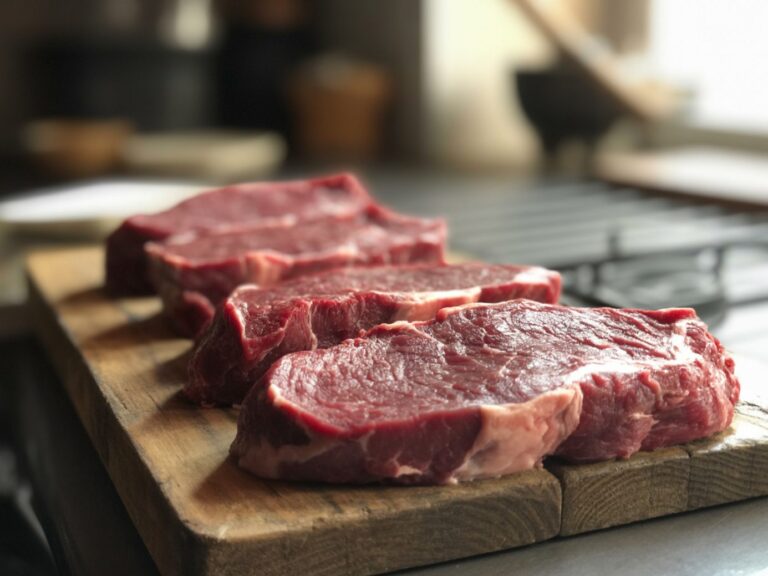
Because moose is not commercially farmed or sold in US grocery stores, your main sources are hunting it yourself (with the appropriate state or provincial license), receiving it from a hunter, or sourcing it from a licensed wild game processor or specialty game meat retailer online. When selecting cuts, look for meat that is deep red to burgundy — almost purple — with a fine, tight grain and very little visible fat. Avoid any meat with a gray tinge, off odor, or signs of freezer burn. If buying from an online specialty purveyor, confirm the meat is properly inspected and vacuum-sealed.
Cuts
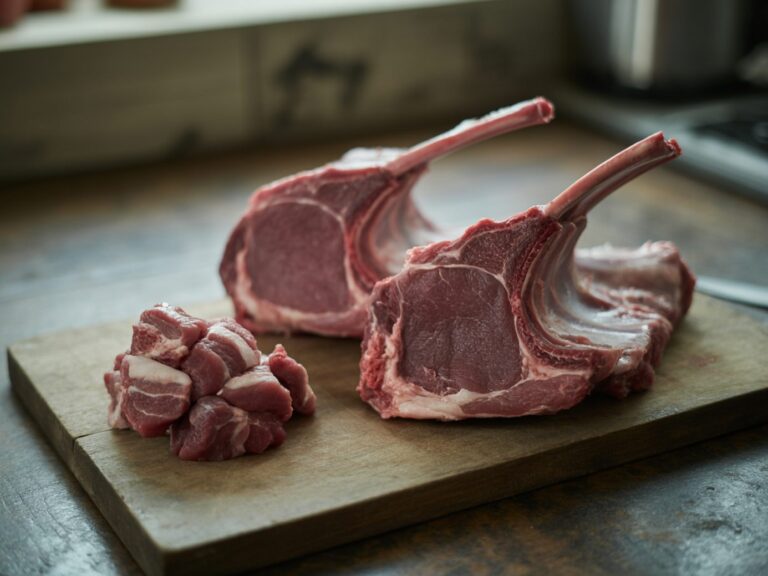
- Backstrap (Loin): The most prized cut, running along the spine; extremely tender and best cooked hot and fast to medium-rare.
- Tenderloin: Smaller and even more delicate than the backstrap; treat like beef filet mignon — minimal seasoning, quick sear.
- Shoulder: A workhorse cut full of connective tissue; ideal for long braises, pot roasts, and slow-cooker stews.
- Round: Lean hind-leg muscle good for roasting, jerky, or thin-sliced preparations; benefits from a marinade.
- Ground Moose: Versatile for burgers, chili, and meat sauces; often blended with pork or beef fat for moisture.
- Shank: Collagen-rich lower leg; braises beautifully osso buco-style into a rich, gelatinous dish.
Cooking with moose tonight?
Find moose recipes that match your diet — keto, high-protein, vegan, under 30 minutes — and build a shopping list in one tap.
History & origin
Moose (Alces alces) have been a vital food source for Indigenous peoples across North America — including Algonquian, Cree, and Ojibwe communities — for thousands of years, providing not just meat but hides, bone tools, and sinew. European settlers in Canada and the northern United States quickly adopted moose hunting as both a survival strategy and a cultural tradition. In Scandinavia and Russia, the same animal (called älg in Swedish) holds an equally deep culinary history, appearing in traditional stews and preserved meats. Today moose hunting remains a carefully regulated activity across Alaska, Canada, Maine, Minnesota, and other northern states, with hunting licenses often awarded by lottery due to conservation management needs.
How it’s made
Moose meat reaches the table entirely through hunting, as moose have never been successfully domesticated or commercially farmed at scale in the United States. Hunters typically field-dress the animal immediately after harvest — removing internal organs quickly to prevent spoilage — then transport it to a processor or butcher it themselves. Proper aging at refrigerator temperatures (34–38°F / 1–3°C) for several days to two weeks can improve tenderness and flavor by allowing natural enzymes to break down muscle fibers, a process called wet aging when done in vacuum-sealed bags (the most common method for home hunters) or dry aging when done unwrapped in a controlled cold environment. The resulting cuts are then vacuum-sealed or wrapped and frozen for extended storage through the year.
Good to know
- A mature bull moose can weigh over 1,400 pounds (635 kg), meaning a single animal can yield roughly 300–400 pounds (135–180 kg) of usable boneless meat — enough to feed a family for a significant portion of the year.
- Moose meat is exceptionally lean, with a fat content comparable to or lower than skinless chicken breast, making it one of the leanest large-game proteins available.
- In Alaska, moose is culturally and nutritionally central to many communities; the Alaska Department of Fish and Game manages one of the largest moose populations in the world and the state’s annual subsistence and sport harvest is among the highest of any US state.
- The word ‘moose’ is derived from the Eastern Abenaki word mos, most commonly interpreted as meaning ‘he strips off,’ referring to the animal’s habit of stripping bark and vegetation from trees and shrubs.
- Moose are strong swimmers and will readily wade into lakes and rivers to feed on aquatic plants — a behavior that can subtly influence the flavor of their meat depending on their diet and habitat.