Barley
Barley is one of the oldest grains on earth and a humble superstar in soups, stews, and your morning bowl.
In a nutshell
Barley is a chewy, nutty whole grain that thickens soups beautifully and holds its own as a side dish or salad base. It comes in hulled and pearled forms, with hulled being the more nutritious whole-grain option. Most American home cooks reach for pearl barley, which cooks faster and is widely available at any grocery store.
Nutrition
≈ 48 Calories and 0.3g fat per tablespoon.
Barley earns serious bragging rights for its exceptionally high fiber content, much of it the soluble type called beta-glucan, which research consistently links to lower LDL cholesterol and steadier blood sugar levels. It delivers a solid hit of plant-based protein alongside meaningful amounts of manganese, selenium, phosphorus, and B vitamins like niacin and thiamine. Because so much of that fiber is fermentable, barley also acts as a prebiotic, feeding beneficial gut bacteria. Despite being a relatively calorie-dense grain, its fiber slows digestion enough that it has one of the lowest glycemic indexes of any common grain, making it a smart choice for those watching blood sugar. Nutrition per 100g via Spoonacular.
Culinary uses & pairings
Pearl barley is the weeknight workhorse: stir it into beef or vegetable soup and it will swell, soften, and thicken the broth into something deeply satisfying. It also shines in grain salads tossed with roasted vegetables and vinaigrette, or cooked risotto-style — a technique sometimes called orzotto — where its natural starch creates a creamy, luscious texture without a drop of cream.
Hulled or hull-less barley takes longer to cook (around 45 to 60 minutes) but rewards patience with a heartier chew and fuller nutrition. Try it as a base for grain bowls, stuffed into peppers, or simmered into a savory breakfast porridge. Barley flour can replace a portion of all-purpose flour in breads and muffins, adding a mild, slightly sweet nuttiness and extra fiber to baked goods.
Pairs well with
Substitutions
Buying & storage
For the best nutrition, look for hulled or hull-less barley at natural food stores or in the bulk bins — the bran is intact and fiber is at its peak. Pearl barley, the most common supermarket variety, has had the outer bran polished away, so it cooks faster (about 25 to 30 minutes) but loses some fiber and nutrients in the process. Either way, check that the grain looks plump and uniform with no musty smell or visible moisture, which signals poor storage. Buying from bins with high turnover or in sealed bags with a clear best-by date gives you the freshest grain.
Varieties
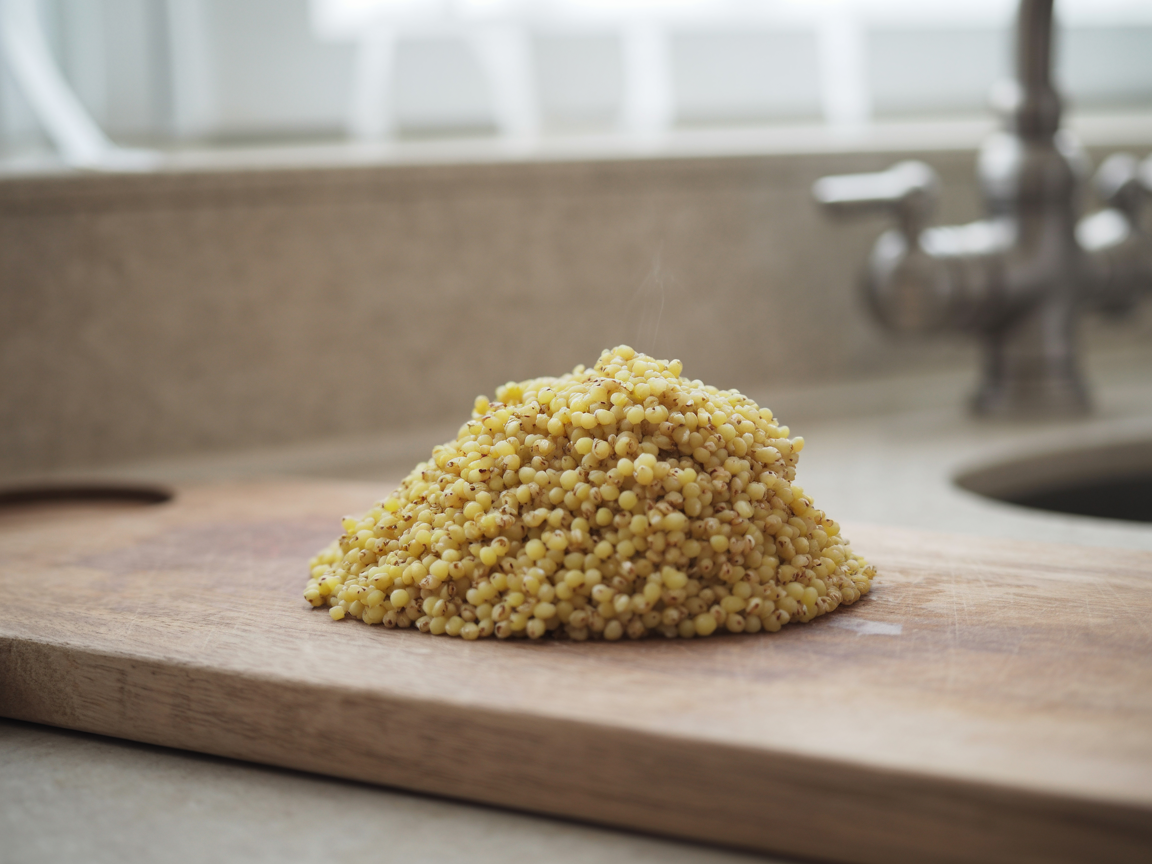
- Pearl Barley: The most widely sold form in the US; outer husk and bran have been polished off, leaving a pale, quick-cooking grain that’s tender in about 25 to 30 minutes. Lower in fiber than whole-grain forms but still a nutritious choice.
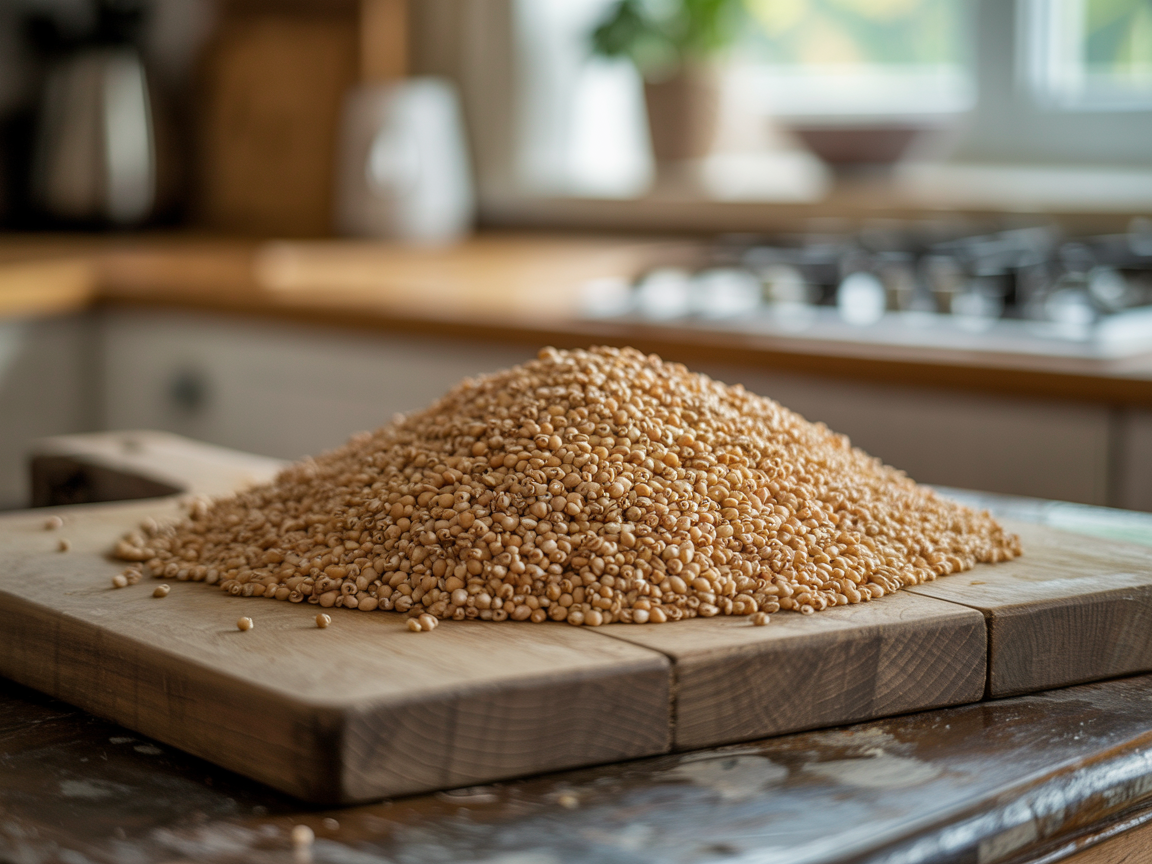
- Hulled Barley: A true whole grain — only the inedible outer hull is removed, leaving the nutrient-rich bran intact. Nuttier and chewier than pearl; takes 45 to 60 minutes to cook. Best nutritional profile of the common forms.
- Hull-less (Naked) Barley: Bred so the hull separates easily from the kernel during harvest without abrasive milling, preserving most of the bran naturally. Cooks in a similar time to hulled barley with a comparably robust flavor.
- Quick or Pre-cooked Barley: Par-cooked and dried for fast preparation (around 10 to 12 minutes). Convenient for busy weeknights but softer in texture and slightly lower in fiber.
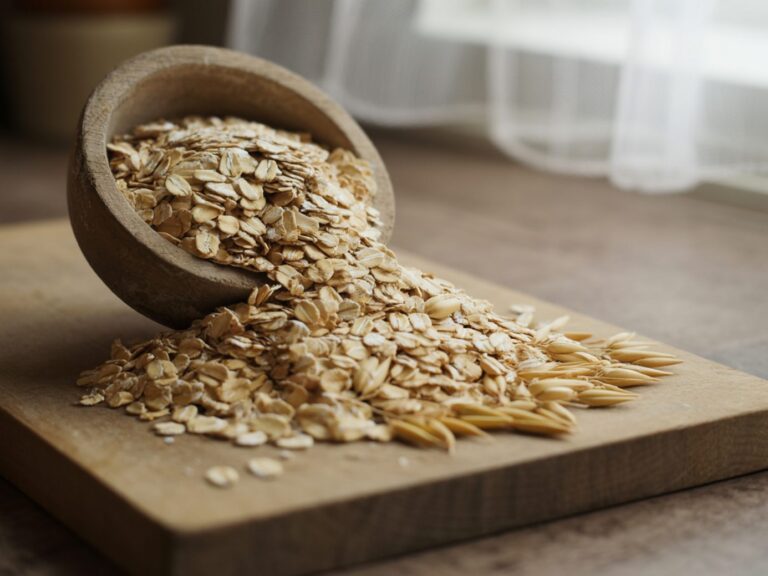
- Barley Flakes: Rolled like oats; great stirred into oatmeal blends, granola, or quick-cooking porridge. Milder flavor and a tender, oat-like texture.
- Barley Flour: Ground from whole or pearled barley; adds a mildly sweet, nutty note to breads, pancakes, and muffins. Contains gluten but less than wheat flour, so it’s usually blended rather than used alone.
Recipes using barley
9 recipes across our recipe sites use barley. A few favorites:
Cooking with barley tonight?
Find barley recipes that match your diet — keto, high-protein, vegan, under 30 minutes — and build a shopping list in one tap.
History & origin
Barley is among the very first crops humans ever domesticated, with evidence of cultivation in the Fertile Crescent stretching back more than 10,000 years. Ancient Egyptians used it to bake bread and brew beer, and barley was a staple bread grain throughout the ancient world before wheat rose to dominance. In medieval Europe, barley bread and barley pottage were staple foods for common people, while the grain also fueled a booming ale-brewing industry. Scottish and Tibetan cuisines kept barley central for centuries — Scots still treasure it in cock-a-leekie soup and Scotch broth, while Tibetans grind roasted barley into tsampa, a flour mixed into a paste or porridge that remains a daily food today. Barley gradually fell out of favor as a table grain in the US during the 20th century, overshadowed by wheat and rice, but it has seen a steady comeback as home cooks rediscover whole grains.
How it’s made
Barley is a cool-season cereal grass (Hordeum vulgare) planted in early spring or fall depending on the climate, and it matures relatively quickly — typically in 60 to 90 days depending on variety and conditions. After harvest, the grain undergoes threshing to separate kernels from stalks. From there, processing diverges: hulled barley is milled just enough to remove the tough, inedible outer husk, keeping the bran and germ intact. Pearl barley goes through further abrasive milling called pearling, which strips away the bran in stages until the grain is smooth and pale; the degree of pearling affects cook time and texture. Barley destined for malting — the foundation of beer and whisky — is instead steeped in water, allowed to partially germinate to develop enzymes, then kiln-dried, a process that unlocks fermentable sugars brewers need.
Good to know
- Barley is the fourth most produced grain in the world, but the majority of the global crop goes to animal feed or malting for beer and whiskey rather than direct human consumption.
- The beta-glucan fiber in barley is so well-documented that the FDA allows a qualified health claim on packaging linking soluble fiber from whole grain barley to reduced risk of coronary heart disease.
- Ancient Mesopotamian cultures used barley as a unit of currency and measure — the width of a barley grain was among the earliest definitions of the inch.
- Barley water, made by simmering pearl barley in water and straining it, has been a traditional British home remedy and refreshing drink since at least the 19th century.
- Scotland grows some of the world’s most prized malting barley, and Scottish distillers are famously particular about the specific varieties they use for single-malt Scotch whisky.