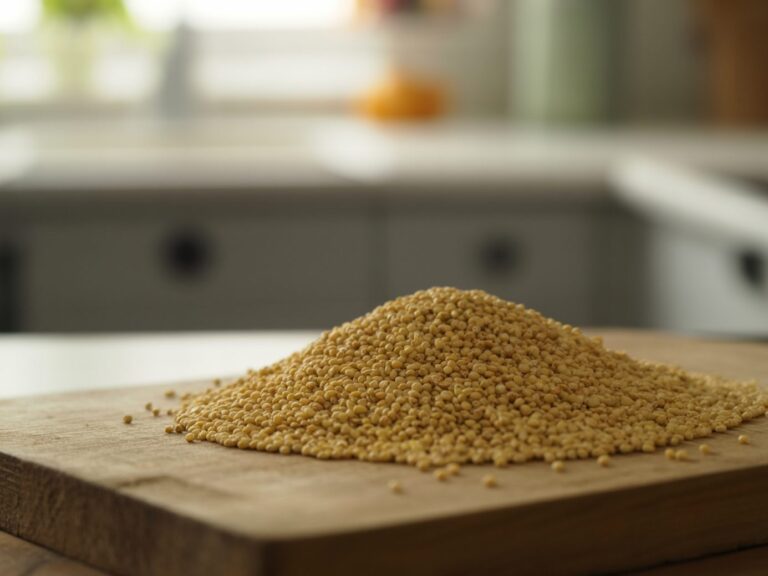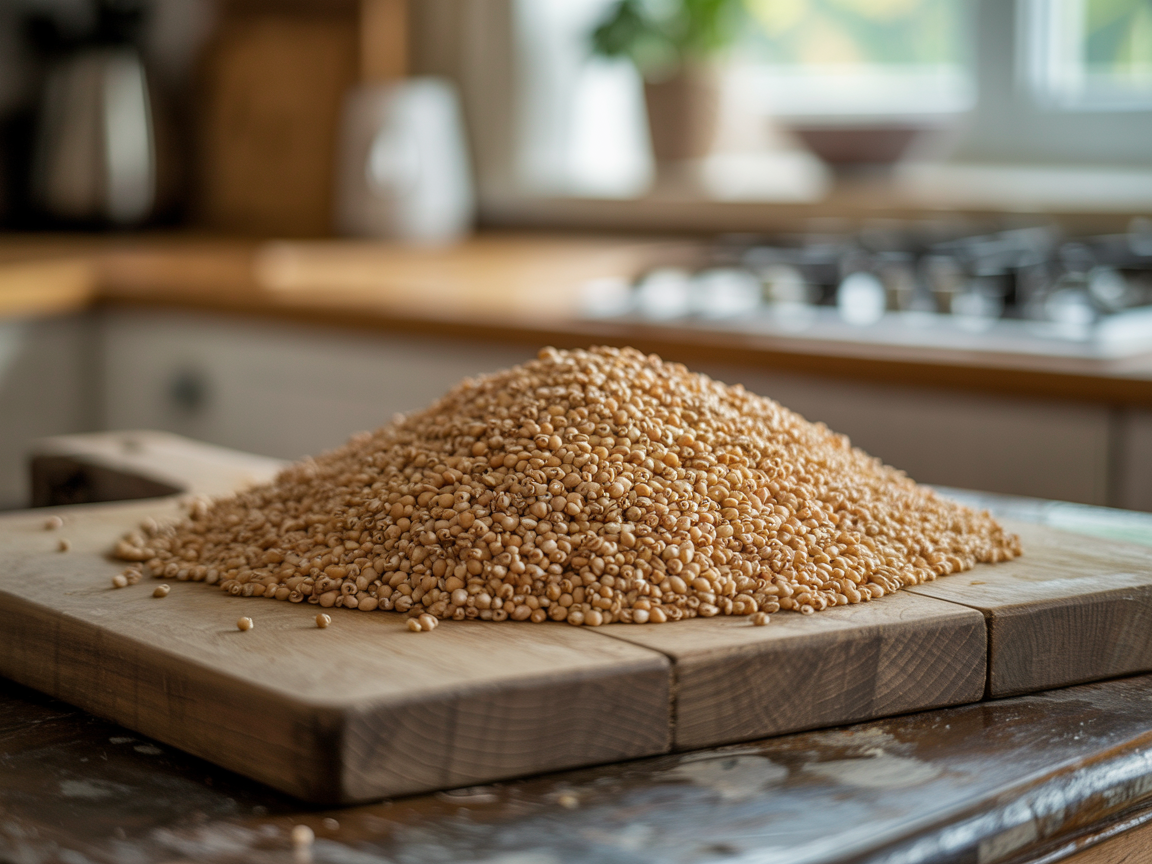
Oats
Oats are the hearty, wholesome grain that turns a humble bowl of porridge into pure morning comfort.
In a nutshell
Oats are a whole-grain cereal prized for their creamy texture, mild nutty flavor, and outstanding nutritional profile. They cook quickly, adapt to sweet and savory dishes alike, and are one of the most affordable pantry staples in any US kitchen. Whether you reach for rolled, steel-cut, or instant, you’re working with essentially the same grain in different forms.
Nutrition
≈ 51 Calories and 0.9g fat per tablespoon.
Oats punch well above their weight in the nutrition department. Their most celebrated compound is beta-glucan, a soluble fiber that has been shown to help lower LDL cholesterol and support steady blood sugar levels — the FDA even allows an official heart-health claim on oat products. At roughly 10 grams of fiber and 17 grams of protein per 100 grams, oats deliver real staying power compared to most breakfast grains. The fat profile leans toward beneficial unsaturated fats, and oats supply meaningful amounts of manganese, phosphorus, magnesium, iron, and B vitamins like thiamine. They’re naturally very low in sodium, making them easy to fit into heart-conscious diets. Nutrition per 100g via Spoonacular.
Culinary uses & pairings
Oats are the foundation of oatmeal and porridge, where they’re simmered in water or milk until creamy, then topped with fruit, nuts, honey, or maple syrup. They’re equally at home in overnight oats — simply soaked cold in the fridge — and in smoothies, where a small handful adds body and nutrition without overpowering other flavors. Steel-cut oats shine in slow-cooked, risotto-style preparations that reward patience with a pleasantly chewy texture.
In baking and cooking, oats are indispensable. Rolled oats go into classic oatmeal cookies, granola bars, crumbles, and pie toppings, adding chew and a toasty flavor. Ground into oat flour, they lighten muffins and pancakes. Oats also work as a binder in meatloaf or veggie burgers and as a coating for fish or chicken in place of breadcrumbs. Savory oat porridge with a poached egg and scallions is a quietly growing trend worth trying.
Pairs well with
Substitutions
Buying & storage
Look for whole rolled oats or steel-cut oats over heavily processed instant packets, which often carry added sugar and sodium. The ingredient list on a bag of quality oats should read ‘oats’ and nothing else. Buy from bulk bins or standard grocery brands — both work fine. Certified gluten-free oats (labeled as such) are processed in dedicated facilities and are the right choice for anyone with celiac disease or serious gluten sensitivity, since oats are naturally gluten-free but frequently cross-contaminated with wheat during farming and milling.
Varieties
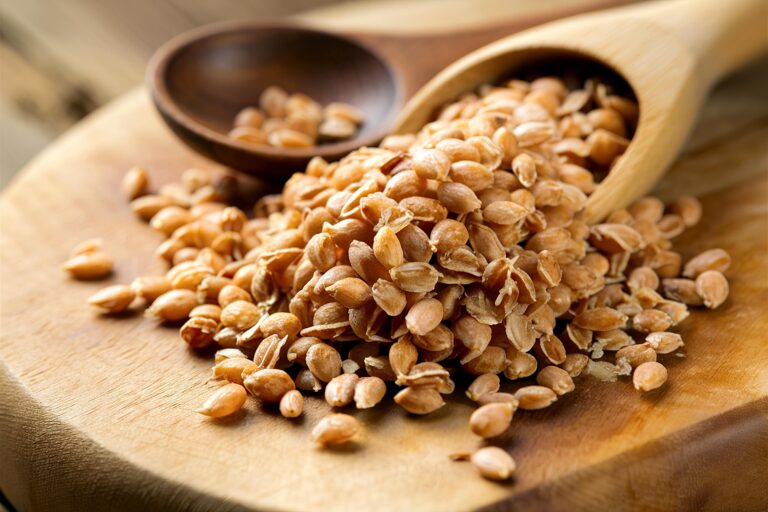
- Steel-Cut (Irish) Oats: Whole oat groats chopped into two or three pieces; the chewiest texture, nuttiest flavor, and longest cook time — about 20 to 30 minutes.
- Rolled (Old-Fashioned) Oats: Groats that are steamed and pressed flat; cook in about 5 minutes and are the most versatile choice for both cooking and baking.
- Quick-Cook Oats: Rolled thinner than old-fashioned oats for a 1- to 3-minute cook time; slightly softer texture, still fine for most recipes.
- Instant Oats: Pre-cooked and dried; ready with just boiling water, but often sold in flavored packets with added sugar and salt.
- Oat Groats: The whole, minimally processed kernel with only the hull removed; the most nutritious form and the most time-consuming to cook — up to 50 to 60 minutes.
- Oat Flour: Rolled oats ground to a fine powder; great for gluten-free-friendly baking and easily made at home in a blender.
Recipes using oats
56 recipes across our recipe sites use oats. A few favorites:
Cooking with oats tonight?
Find oats recipes that match your diet — keto, high-protein, vegan, under 30 minutes — and build a shopping list in one tap.
History & origin
Oats (Avena sativa) were domesticated in Europe roughly 3,000 years ago, likely in central Europe, and were long considered a weed pest among wheat and barley crops before farmers recognized their independent value. The Romans thought little of them, but oats became a staple cereal across Scotland, Ireland, and Scandinavia, where the cool, wet climate made them easier to grow than wheat. Scottish porridge is deeply embedded in cultural identity there. Oats arrived in North America with early European settlers in the 1600s, and by the late 19th century Ferdinand Schumacher and later the Quaker Oats Company industrialized oat milling in the United States, making rolled oats a nationwide household staple. Their reputation for heart health got a significant boost in the 1980s and ’90s when research into beta-glucan fiber made oats a media darling.
How it’s made
After harvest, oat stalks are threshed to free the grain, and the tough outer hull is removed by milling to reveal the oat groat — the whole, intact kernel containing the bran, endosperm, and germ. For steel-cut oats, groats are simply chopped with steel blades. For rolled oats, groats are steamed to soften them and then pressed flat between large rollers; the thickness of the roll determines whether the result is old-fashioned or quick-cook. Instant oats undergo an extra pre-cooking and drying step. Oat flour is produced by further grinding rolled oats. Because the bran and germ are retained in virtually all commercial oat products (except some oat flours), oats remain a whole grain through all of these processes.
Good to know
- Oats are one of the few grains to carry an FDA-approved health claim — specifically that beta-glucan soluble fiber may reduce the risk of heart disease.
- Scotland takes oatmeal so seriously that the country hosts an annual World Porridge Making Championship, where competitors have created inventive savory versions alongside the traditional.
- Oats are naturally gluten-free at the plant level, but the vast majority of commercial oats are contaminated with wheat, rye, or barley during farming and milling.
- Oat milk, one of the fastest-growing plant-based dairy alternatives in the US, is made by blending oats with water and straining — essentially turning this ancient grain into a modern café staple.
- A single serving of dry rolled oats costs just a few cents, making oats one of the most cost-efficient sources of fiber and complex carbohydrates in the entire grocery store.