Millet
Millet is a tiny, golden ancient grain that cooks up fluffy and mild — a gluten-free pantry staple worth knowing.
In a nutshell
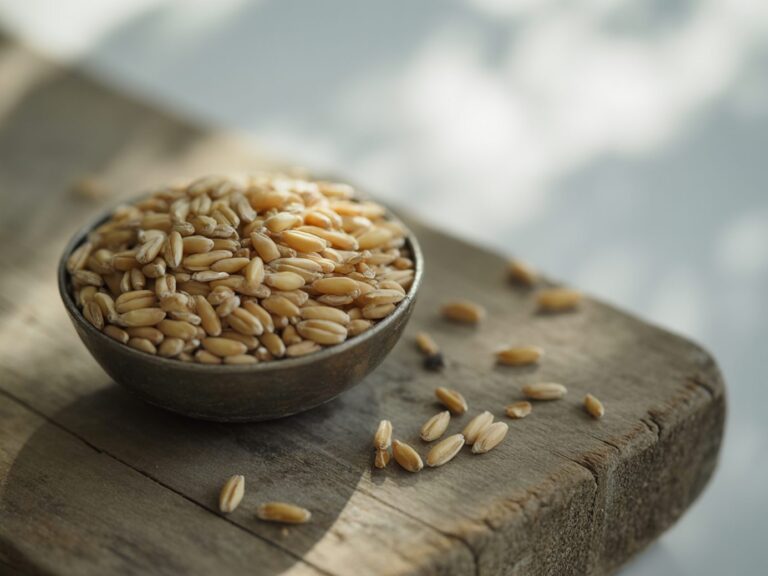
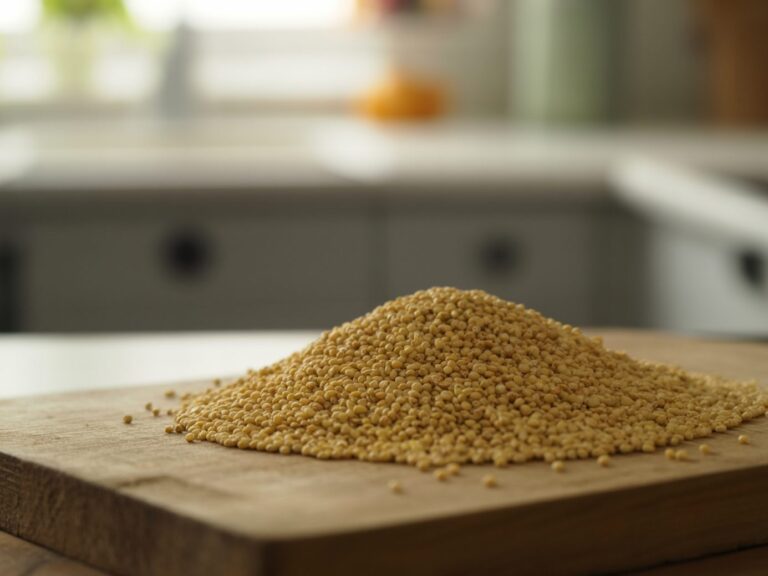
Millet is a group of small-seeded grasses grown as a staple grain across Africa and Asia for thousands of years. It’s naturally gluten-free, cooks in about 20 minutes, and has a mild, slightly nutty flavor that takes on the character of whatever it’s cooked with. American home cooks are rediscovering it as a versatile alternative to rice or quinoa.
Nutrition
≈ 38 Calories and 0.4g fat per tablespoon.
Millet punches well above its weight nutritionally for a grain. It delivers a solid 11 grams of protein per 100 grams (raw), including a meaningful share of essential amino acids, though pairing it with legumes rounds out the protein profile nicely. Its 8.5 grams of fiber support digestive health and help sustain energy levels, while the fat content is modest and skewed toward heart-friendlier unsaturated forms. Millet is a notable source of magnesium, phosphorus, and B vitamins — particularly niacin and B6 — which play roles in energy metabolism and nerve function. It also contains manganese and antioxidant compounds including phenolic acids. Because it’s naturally gluten-free, it’s a safe, nutrient-dense grain choice for people with celiac disease or gluten sensitivity, provided it’s processed in a dedicated gluten-free facility. Nutrition per 100g via USDA FoodData Central.
Culinary uses & pairings
Millet shines as a cooked whole grain standing in for rice or couscous. Use a 1:2 grain-to-water ratio and simmer for about 18 to 20 minutes for fluffy, separate grains perfect in pilafs, grain bowls, and stuffed peppers. Toasting the dry grain in a dry skillet for two to three minutes before adding water deepens its nutty flavor noticeably. It also porridges beautifully — just increase the water to 1:3 or more and stir frequently for a creamy, polenta-like breakfast bowl.
In baking and binding, millet flour adds a mild sweetness and tender crumb to muffins, flatbreads, and pancakes, and whole millet seeds add pleasant crunch to bread loaves, granola bars, and veggie burgers. Puffed millet works as a light cereal or a coating for truffles and energy bites. Because it absorbs liquid readily, it also serves as a gluten-free binder in meatballs or grain-based patties.
Pairs well with
Substitutions
Buying & storage
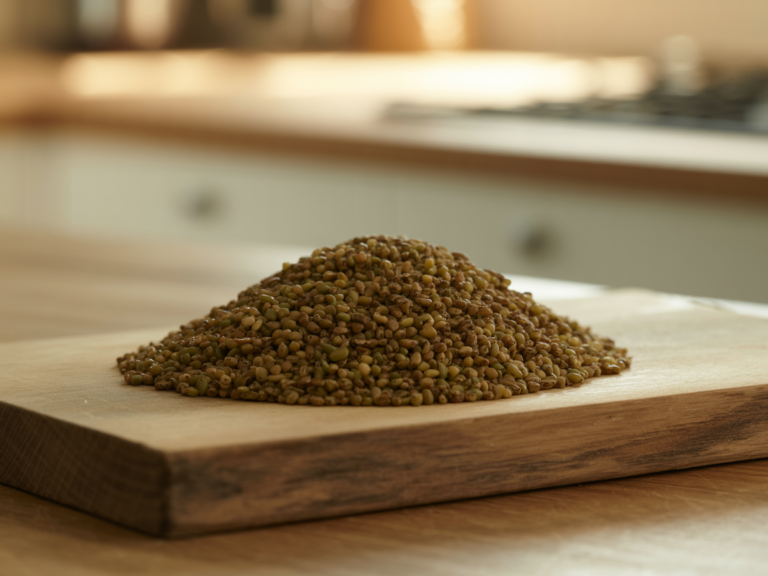
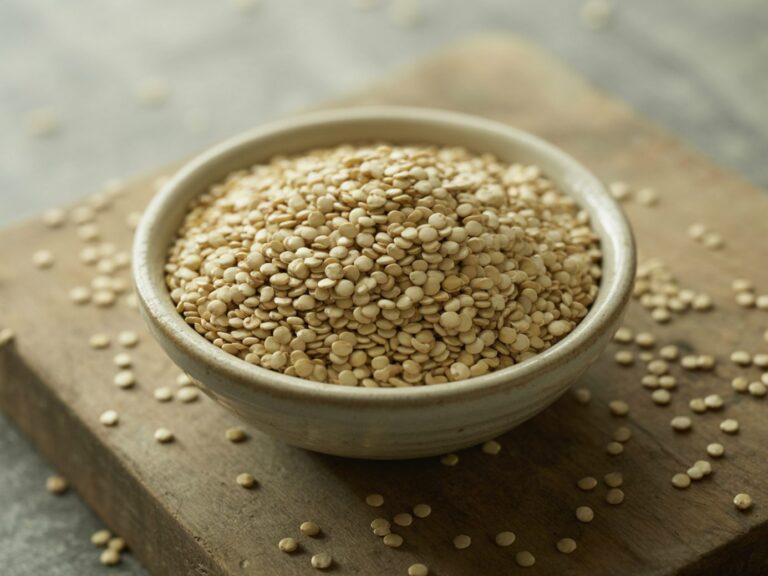
Look for millet in the bulk bins, natural foods aisle, or international section of most well-stocked grocery stores. Hulled millet — the most common form in the US — should be pale yellow to golden and smell faintly nutty; avoid any that smells musty or looks grey. Millet flour is also available at natural foods stores and online. For people with celiac disease, seek packages labeled certified gluten-free, since millet is often processed on shared equipment with wheat.
Types
- Pearl Millet: The most widely grown type worldwide; mild flavor and creamy when cooked into porridge.
- Proso Millet: The most common type found in US grocery stores; small and round with a mild, slightly starchy flavor.
- Foxtail Millet: Slightly sweeter with a finer texture; popular in East Asian cooking and found in Asian grocery stores.
- Finger Millet (Ragi): Darker in color with an earthy, slightly tangy flavor; exceptionally high in calcium and popular in South Indian cooking.
- Sorghum (a close relative): Technically a separate grain but often grouped with millets; larger kernel, similarly gluten-free, and used in flour, syrup, and whole-grain cooking.
Recipes
We do not have recipes featuring Millet in our collection just yet — but you can discover thousands of recipes, filtered to your diet and your pantry, over at Tucker Finder.
Cooking with millet tonight?
Find millet recipes that match your diet — keto, high-protein, vegan, under 30 minutes — and build a shopping list in one tap.
History & origin
Millet is one of humanity’s oldest cultivated crops, with archaeological evidence of cultivation in China dating back roughly 8,000 to 10,000 years and evidence in Africa of similar antiquity. It spread across Asia, the Middle East, and Europe long before wheat dominated Western diets, and it remains a dietary cornerstone across sub-Saharan Africa and South and East Asia today. In the United States, millet was grown primarily as animal fodder and birdseed through the 20th century, which is why many American cooks are only now discovering it as food. The broader interest in ancient grains and gluten-free eating that took hold in the 2010s has brought millet back into the American kitchen, where it belongs.
How it’s made
Millet is a warm-season grass grown from seed in well-drained soils; it’s famously drought-tolerant and thrives with minimal inputs, making it an important food-security crop in semi-arid regions. The plant produces dense seed heads that are harvested when the seeds mature and begin to dry. After harvest, the grain is threshed to separate seeds from the stalk, then dehulled — the tough outer hull is removed to produce the pale, edible kernel sold as hulled millet. The grain may then be further milled into flour, flaked, or puffed. Because millet requires relatively little water compared to wheat or corn, it’s increasingly studied as a climate-resilient crop for a warming world.
Good to know
- Millet is not a single grain — it’s a collective name for several species of small-seeded grasses from different botanical genera.
- The seeds are very small; as a rough illustration, a single ounce (28 g) of millet contains thousands of individual seeds.
- Some nutrition researchers note that millet has a relatively low acid load compared to many other grains, though claims about grains being strictly ‘alkaline-forming’ in the body are not well established by clinical evidence.
- India and Nigeria are among the world’s largest producers of millet, together accounting for a substantial share of global output.
- Archaeological evidence suggests millet was among the early grains fermented into beverages in prehistoric China, with foxtail and broomcorn millet both cultivated there at an early date.