Barley Flakes
Barley flakes bring a nutty, chewy heartiness to porridge, baked goods, and soups that oats just can’t match.
In a nutshell
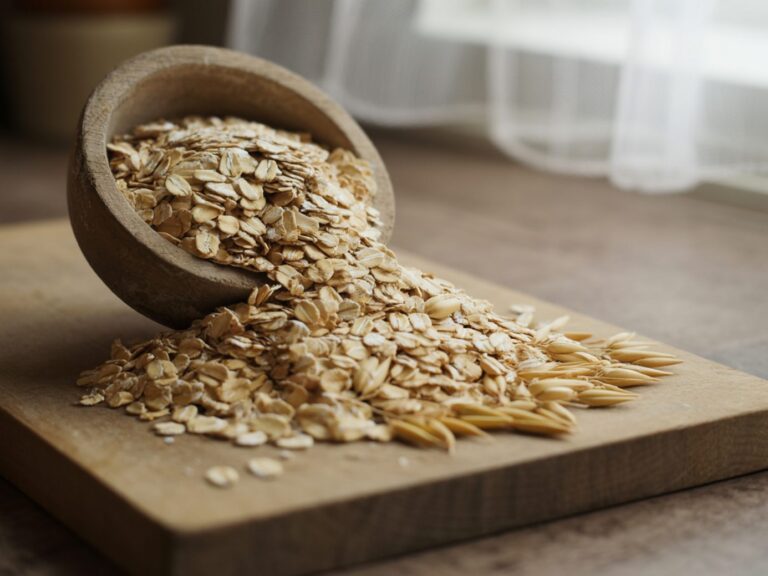
Barley flakes are whole barley groats that have been steamed and rolled flat, much like rolled oats. They cook faster than whole barley while keeping most of the grain’s fiber and nutrients intact. Their mild, slightly nutty flavor makes them an easy swap or complement in recipes that call for oats.
Nutrition
≈ 49 Calories and 0.3g fat per tablespoon.
Barley flakes are a serious source of dietary fiber — delivering an impressive amount per serving — much of which is beta-glucan, a soluble fiber well-studied for its ability to help lower LDL cholesterol and moderate post-meal blood sugar spikes. The grain provides a solid plant-based protein contribution comparable to other flaked cereals. Its carbohydrate load is largely complex, meaning it digests slowly and delivers sustained energy rather than a quick spike. Barley is also a natural source of B vitamins including niacin and thiamine, as well as minerals like selenium, manganese, and phosphorus that support bone health and metabolic function. The overall low fat content and naturally low sodium make it easy to fit into heart-friendly eating patterns. Nutrition per 100g via Spoonacular.
Culinary uses & pairings
Barley flakes shine brightest as a hot breakfast porridge — simmer them in water or milk for about 10 to 15 minutes and finish with honey, fruit, or a pat of butter for a warming bowl that sticks with you all morning. They work beautifully in overnight oat-style preparations too: soak them in yogurt or milk in the fridge and eat them cold the next day. Toss a handful into your favorite granola recipe to add extra chew and a toasty, nutty depth that oats alone don’t provide.
In savory cooking, barley flakes are a surprisingly versatile pantry workhorse. Stir them into soups and stews during the last 15 minutes of cooking to add body without the long simmer whole barley requires. They can also be pressed into veggie burger patties as a binder, folded into meatloaf for texture, or used as a partial flour substitute in rustic quick breads and muffins to boost fiber and add a wholesome, slightly nutty character.
Pairs well with
Substitutions
Buying & storage
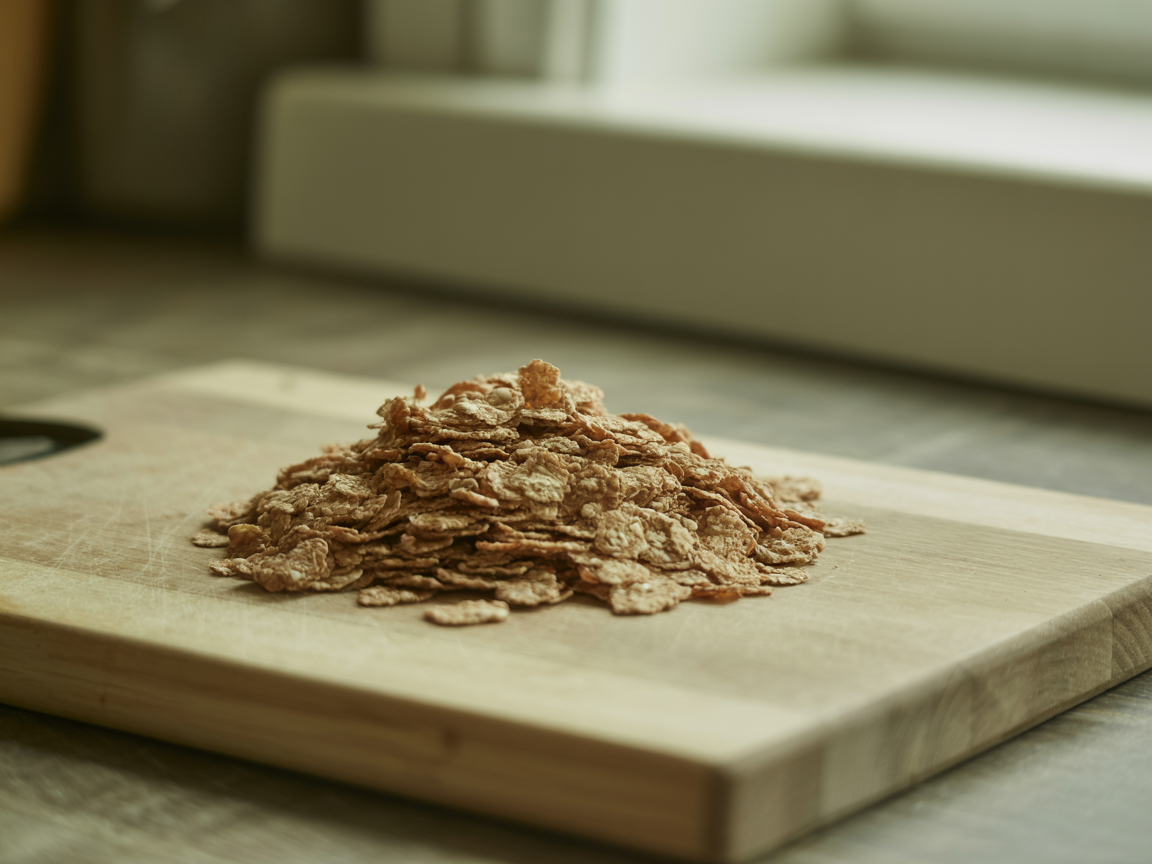
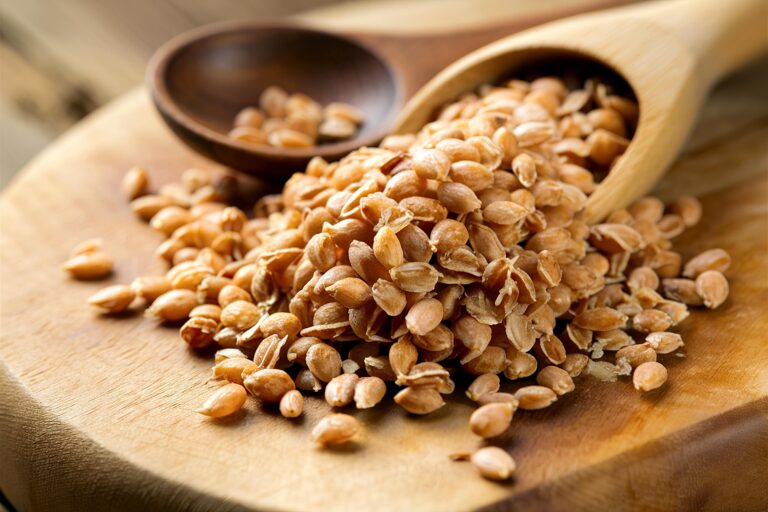
Look for barley flakes in the bulk bins or hot cereal aisle of natural-food stores, well-stocked supermarkets, or online. Choose packages labeled whole grain or made from hulled (rather than pearled) barley when possible, since hulled barley retains more of the bran and therefore more fiber. The flakes should look uniform in size — pale tan to light golden — with no off smell or signs of moisture clumping, which signals age or improper storage. Organic options are widely available and generally cost only a little more than conventional.
Types
- Hulled barley flakes: Made from minimally processed hulled barley; the bran layer is largely intact, giving maximum fiber and a chewier, more robust texture.
- Pearled barley flakes: Made from pearled barley with the bran polished away; slightly less fiber but a creamier, quicker-cooking result favored in smoother porridges.
- Thick-rolled barley flakes: Rolled to a heartier thickness for a more pronounced chew; better suited to granola and stews than to quick-cooking porridge.
- Thin-rolled barley flakes: Rolled thinner so they soften quickly; ideal for overnight preparations and recipes where a creamy consistency is preferred.
Cooking with barley flakes tonight?
Find barley flakes recipes that match your diet — keto, high-protein, vegan, under 30 minutes — and build a shopping list in one tap.
History & origin
Barley is one of the oldest cultivated grains on Earth, with evidence of farming stretching back more than 10,000 years to the Fertile Crescent. It fed ancient Egyptian laborers, fueled Greek athletes, and formed the backbone of European peasant diets through the Middle Ages, often ground into bread or brewed into ale long before wheat took over as the premium grain. The practice of steaming and rolling grains into flakes was industrialized in the late 19th century — the same era that gave us rolled oats — bringing barley’s long cook time down to something manageable for a modern kitchen. While wheat and oats eventually overshadowed it as everyday staples in the US, barley flakes have enjoyed a steady revival alongside the whole-grain movement of the early 21st century.
How it’s made
To make barley flakes, whole barley groats are first cleaned and, depending on the product, either left in their hulled state or pearled to remove the outer bran. The groats are then steamed to soften the starchy interior and stabilize the grain’s natural oils — a step that also gives the finished flake its characteristic toasty aroma. While still pliable from the steam, the softened groats are fed between large steel rollers that press and flatten them into thin, uniform flakes, after which they are dried and cooled. The entire process is closely analogous to how old-fashioned rolled oats are made, which is precisely why barley flakes behave so similarly in the kitchen.
Good to know
- Barley’s beta-glucan fiber is the same compound found in oats that earned an FDA-approved heart-health claim — barley qualifies for that same claim.
- Barley was a staple grain in ancient Rome, particularly among soldiers and the lower classes, before wheat became more widely affordable and dominant.
- Because barley has a relatively low glycemic index among grains, it was historically a primary food of gladiators, who were nicknamed ‘hordearii’ — barley men.
- Barley flakes cook in a fraction of the time of whole barley groats, making them a practical way to get the grain’s benefits on a weeknight.
- The grain is one of the few cereals that retains significant soluble fiber even after processing into flakes, unlike many refined grain products.