Teff
Teff is a tiny ancient grain from Ethiopia that packs surprising protein and fiber into every nutty, earthy bite.
In a nutshell
Teff is the world’s smallest grain, native to the Horn of Africa and the backbone of Ethiopian cuisine. It has a mild, molasses-like earthiness and cooks up into a creamy porridge or ferments into the spongy flatbread called injera. Naturally gluten-free, it’s increasingly popular with US home cooks looking for nutritious whole-grain alternatives.
Nutrition
≈ 50 Calories and 0.3g fat per tablespoon.
Teff earns its superfood reputation honestly. It delivers a complete amino acid profile with notably high protein for a grain, making it especially valuable in plant-forward diets. Its generous fiber content supports digestive health and helps sustain steady energy, while the resistant starch that develops during cooking acts as a prebiotic. Teff is one of the better grain sources of iron and calcium — a rare combination — and also contributes meaningful amounts of magnesium, zinc, and B vitamins. Because the grains are too small to hull, you always eat the bran and germ, so essentially every nutrient stays intact. Nutrition per 100g via Spoonacular.
Culinary uses & pairings
Teff shines as a whole-grain porridge — simmer one part teff in three parts water for about 15 minutes and you get a creamy, polenta-like breakfast that takes well to honey, cinnamon, and fruit. It also cooks into a savory side dish seasoned with herbs and cheese. Ground teff flour is the traditional base for injera, Ethiopia’s tangy sourdough flatbread, which doubles as plate and utensil at the dinner table.
In American baking, teff flour adds a deep, nutty, slightly chocolatey note to pancakes, muffins, quick breads, and brownies. Because it is gluten-free, most recipes blend it with all-purpose or another binding flour at a roughly 25–30 percent substitution rate to maintain structure. Whole teff grains can also be popped like popcorn in a dry skillet for a crunchy topping on salads and yogurt bowls.
Pairs well with
Substitutions
Buying & storage
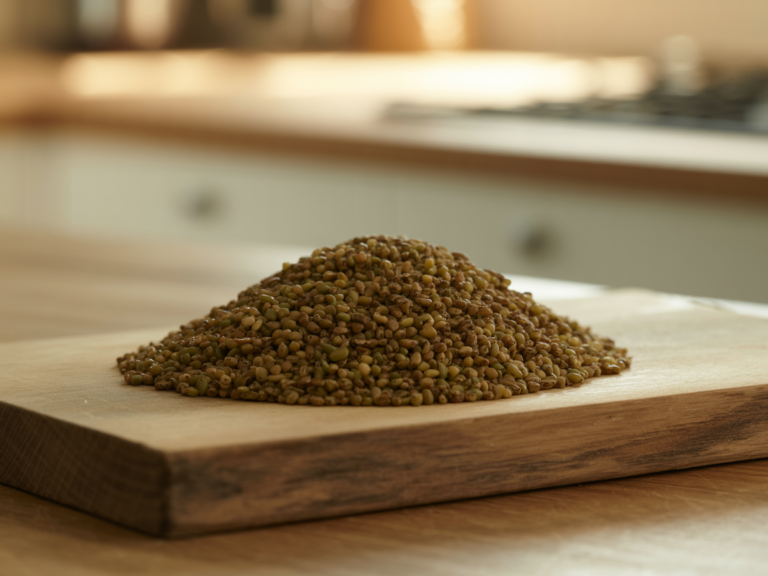
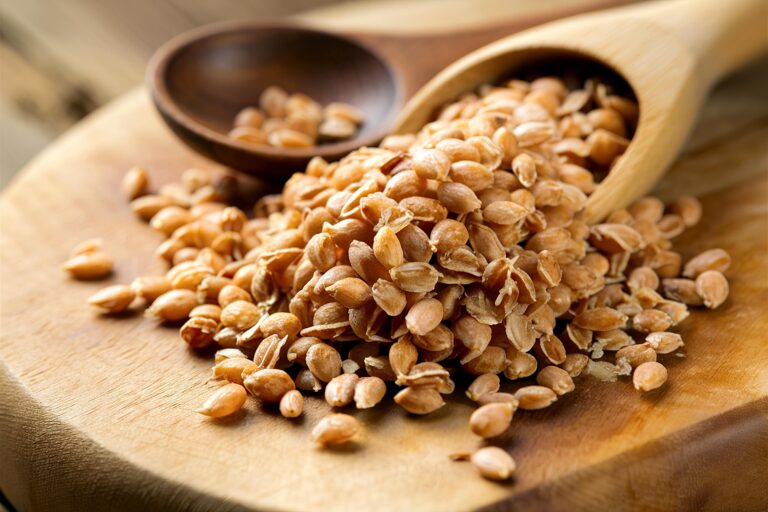
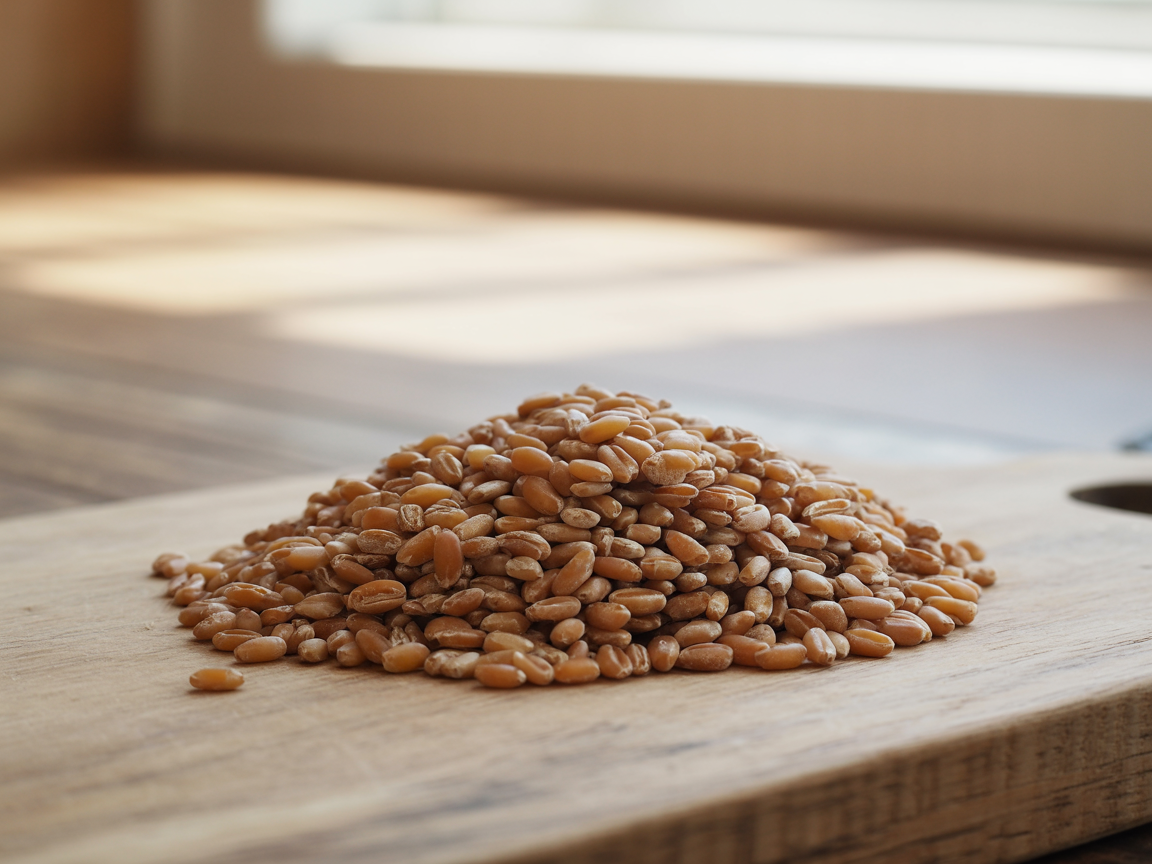
Look for teff in the bulk bins or natural-foods aisle of well-stocked grocery stores, or order it online — availability has grown considerably in recent years. Both ivory (light) and brown (dark) teff are sold as whole grains and as flour; darker teff has a more pronounced, slightly molasses-like flavor while ivory is milder. Choose whole grains or flour that smell faintly nutty and sweet with no off or rancid odor, which would signal old fat oxidizing. Opt for packages with a clearly printed best-by date and, where possible, a source that specifies single-origin Ethiopian teff for the most authentic flavor.
Varieties
- Brown (Dark) Teff: The most common variety; earthy, slightly molasses-like flavor with a deeper color — the traditional choice for injera.
- Ivory (Light) Teff: Milder and subtly sweet; preferred for lighter baked goods like pancakes and muffins where you want nuttiness without a strong earthiness.
- Red Teff: Less commonly found in the US; falls flavor-wise between brown and ivory, with a gentle nuttiness and attractive reddish-tan color.
Cooking with teff tonight?
Find teff recipes that match your diet — keto, high-protein, vegan, under 30 minutes — and build a shopping list in one tap.
History & origin
Teff (Eragrostis tef) has been cultivated in the Ethiopian and Eritrean highlands for at least 3,000 years and possibly longer, making it one of the earlier domesticated grains in the region. Its name is commonly linked to the Amharic word meaning ‘lost,’ a nod to how easily the tiny seeds scatter in the wind. For millennia it formed a dietary cornerstone of highland Ethiopian communities, fueling farmers and families through the long growing season at altitude. Teff remained almost entirely unknown outside East Africa until Ethiopian immigrants began arriving in the US in larger numbers in the 1980s, bringing injera traditions with them. The gluten-free movement of the 2000s and 2010s dramatically widened its audience, and today teff is grown on a modest commercial scale in Idaho alongside continued large-scale production in Ethiopia.
How it’s made
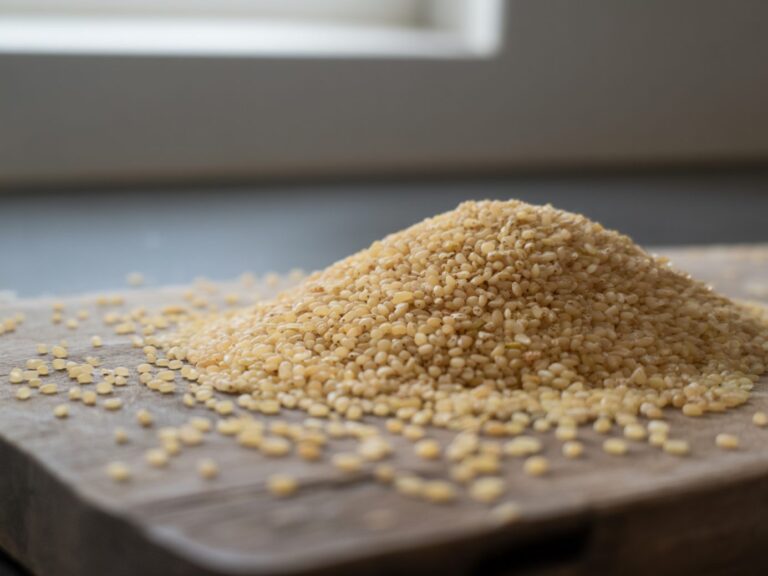
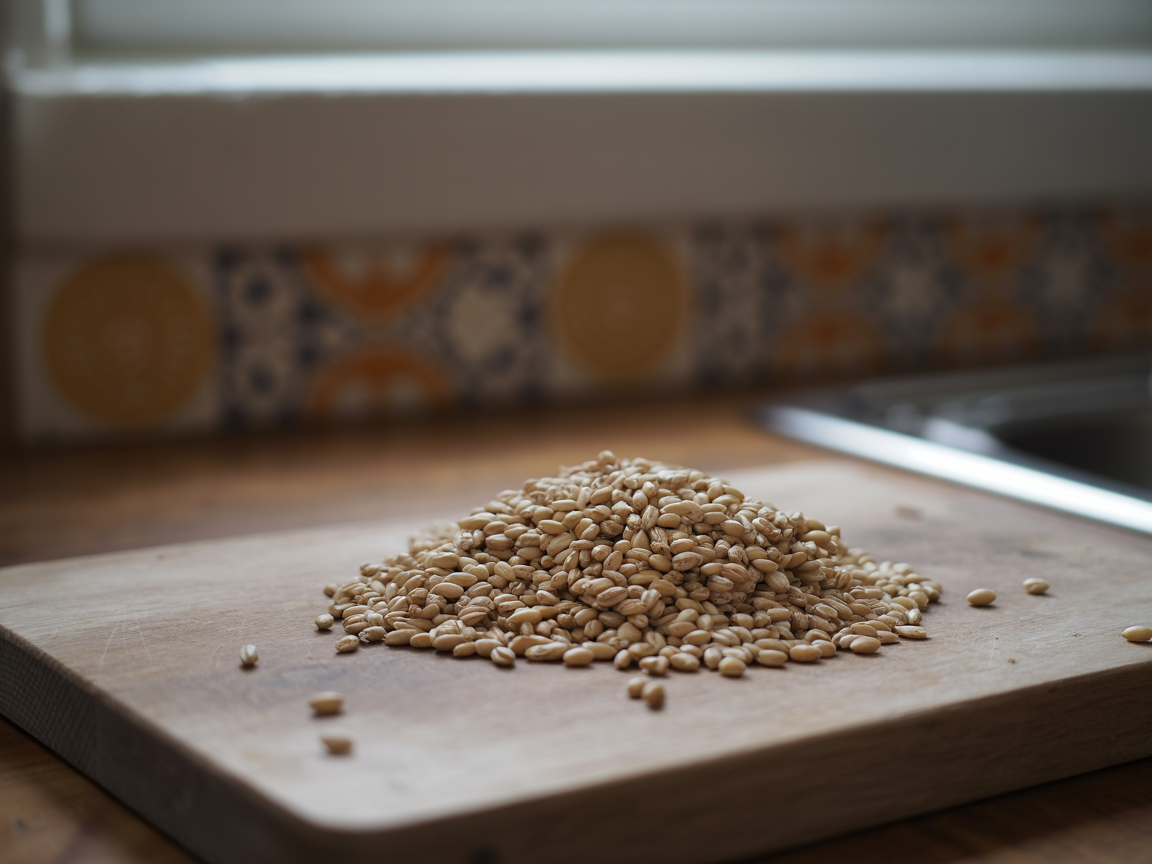
Teff is a warm-season grass harvested as a cereal grain. Plants grow 1–4 feet tall and tolerate poor soils, drought, and waterlogging that would ruin most other grains — qualities that made them invaluable in the variable Ethiopian highlands. After harvest, the seed heads are threshed to release the grains, which are so small (about the size of a poppy seed) that hulling is impractical; you eat the entire seed, bran and all. For flour, whole teff grains are simply stone-milled or roller-milled into a fine powder. Injera is traditionally made by fermenting teff flour in water for two to three days, developing lactic-acid bacteria that give the bread its characteristic tang before it is poured onto a large clay griddle called a mitad and cooked in a single thin layer.
Good to know
- Teff grains are so tiny that roughly 150 seeds weigh the same as a single wheat kernel.
- Ethiopia still produces the vast majority of the world’s teff supply, and the grain accounts for a significant share of all cereal grain cultivated there.
- Because teff is always eaten as a whole grain — hulling the seeds is not economically feasible — it is one of the few grains where you truly can’t lose the bran or germ in processing.
- Teff has a notably low glycemic response compared to many other grains, partly because of its resistant starch content, which survives digestion and feeds beneficial gut bacteria.
- Ethiopian long-distance runners, including multiple Olympic champions, have long credited teff-based diets as a factor in their extraordinary endurance performance.