Bulgur Wheat
Bulgur is a nutty, quick-cooking whole grain that brings hearty texture and wholesome flavor to everyday meals.
In a nutshell
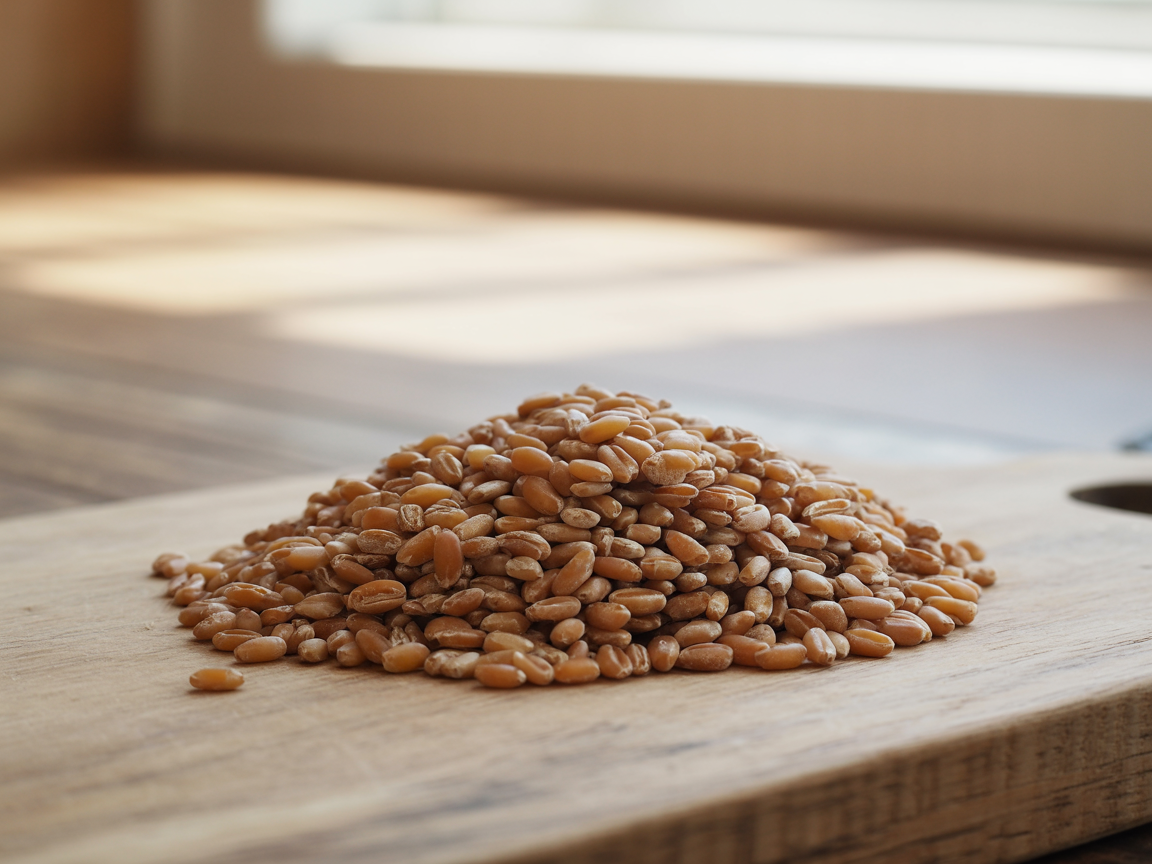
Bulgur is whole wheat that’s been parboiled, dried, and cracked, so it cooks faster than almost any other whole grain. It has a mild, earthy, slightly nutty flavor that soaks up dressings and broths beautifully. It’s a pantry staple across Middle Eastern and Mediterranean kitchens and fits just as naturally into a busy American home.
Nutrition
≈ 30 Calories and 0.1g fat per tablespoon.
Bulgur is a genuinely impressive whole-grain choice. What really stands out is its fiber content, which is among the highest of any commonly eaten grain and supports digestive health, steady blood sugar, and longer-lasting fullness. It provides meaningful amounts of B vitamins — especially niacin and B6 — along with minerals like manganese, magnesium, and iron. Because the bran is largely intact through processing, the nutrients that whole wheat offers are well preserved. It’s also naturally very low in fat and sodium, making it a heart-friendly carbohydrate base. Nutrition per 100g via Spoonacular.
Culinary uses & pairings
Bulgur’s most famous role is in tabbouleh, where fine-grind bulgur is simply rehydrated in water or lemon juice rather than cooked, then tossed with loads of fresh parsley, tomato, and mint. Medium-grind bulgur shines in pilafs and grain bowls, absorbing seasoned broth the same way rice does but in about half the time. It also works beautifully as a stuffing base for peppers, tomatoes, or grape leaves when mixed with herbs, aromatics, and a little olive oil.
Coarser grinds of bulgur hold their shape in hearty soups and stews, adding body without going mushy. It makes a surprisingly good meat extender or substitute — stirred into ground beef for kofte or burger patties, it stretches the meat, boosts fiber, and keeps things tender. Cooks looking for a quick weeknight swap can use it anywhere they’d use rice or couscous as a side dish.
Pairs well with
Substitutions
Buying & storage
Look for bulgur in the bulk bins or the grains aisle of most grocery stores, as well as in Middle Eastern or Mediterranean markets where it’s often cheaper and fresher. Check the grind size on the package — fine (#1) is best for tabbouleh and uncooked preparations, medium (#2) is the most versatile all-purpose choice, and coarse (#3 or #4) holds up best in soups and stuffings. Choose packages with a clear seal and a distant best-by date; the bran oils in whole-grain products can go rancid over time, so fresher is always better.
Grades by Grind Size
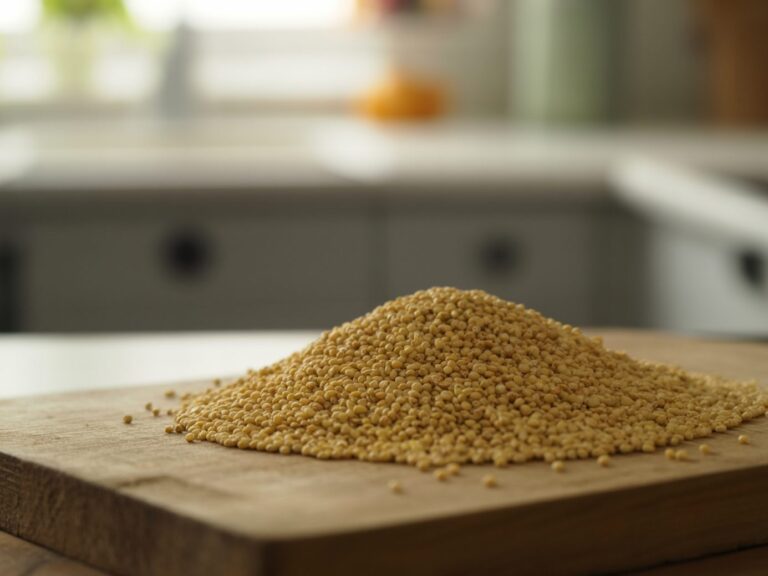
- Fine (#1): Rehydrates in cold or warm water without cooking; the classic choice for tabbouleh and kibbeh.
- Medium (#2): The most widely available grind; great for pilafs, grain bowls, and general cooking with a 10–15 minute simmer.
- Coarse (#3): Holds shape well under heat; ideal for stuffed vegetables, soups, and stews.
- Extra Coarse (#4): The chewiest texture; used in hearty stews and some traditional Turkish dishes; cook time is longest.
Recipes
We do not have recipes featuring Bulgur Wheat in our collection just yet — but you can discover thousands of recipes, filtered to your diet and your pantry, over at Tucker Finder.
Cooking with bulgur wheat tonight?
Find bulgur wheat recipes that match your diet — keto, high-protein, vegan, under 30 minutes — and build a shopping list in one tap.
History & origin
Bulgur is one of the oldest processed foods in human history, with evidence of its preparation dating back at least 4,000 years across the ancient Near East and Mediterranean. Civilizations from the Hittites to the Babylonians recognized that parboiling and drying wheat dramatically extended its shelf life, making it ideal for military campaigns, long winters, and trade routes. It became a cornerstone of Ottoman cuisine and spread throughout the Middle East, North Africa, and the Balkans, where it remains a daily staple today. In the United States, bulgur gained wider recognition through the mid-20th century health food movement and the growing popularity of Lebanese and Mediterranean cooking.
How it’s made
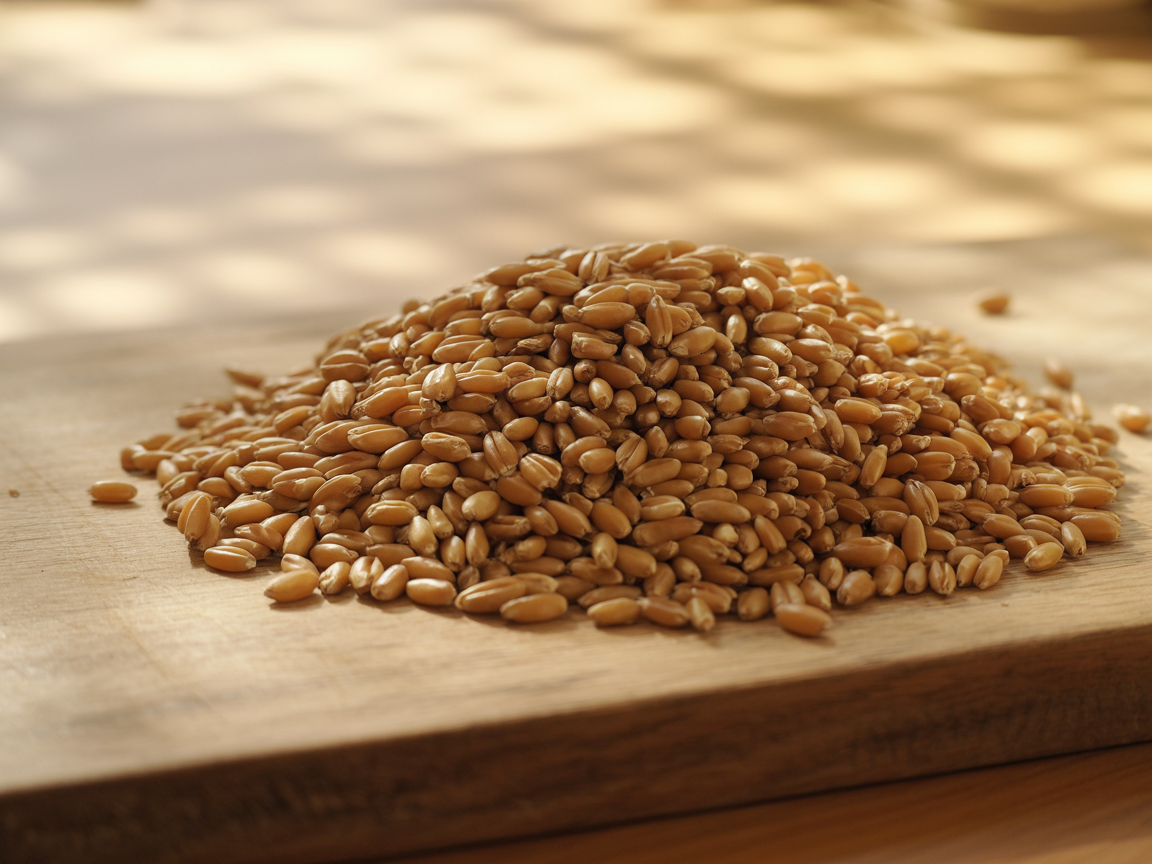
Bulgur is made from whole wheat berries — most often hard red wheat, though durum wheat is also commonly used — that are cleaned, parboiled (partially boiled), then dried at low heat until the moisture content drops significantly. Once dried, the outer bran is partially removed (though enough remains to classify it as a whole grain), and the kernels are cracked or milled to various grind sizes. Because the wheat is already cooked during parboiling, bulgur only needs to be rehydrated or briefly simmered to be table-ready, which is what gives it such a remarkable speed advantage over other whole grains.
Good to know
- Because it’s parboiled before drying, bulgur has one of the lower glycemic index scores among common wheat-based grains.
- Bulgur is a good source of dietary fiber — cooked bulgur provides roughly 8 grams per cup — which is high for a grain, though dry-weight figures can appear much larger and should not be compared directly to cooked legumes.
- Bulgur and cracked wheat look similar on store shelves but are different: cracked wheat is raw and needs full cooking, while bulgur is already parboiled.
- In Lebanon and Syria, bulgur has historically been ground fine and used as a base for kibbeh, one of the region’s most beloved dishes.
- The United Nations has promoted bulgur as a food-aid grain because it’s lightweight, shelf-stable, quick to prepare with minimal fuel, and highly nutritious.