Teff
Teff is a tiny ancient grain with a malty, earthy sweetness that brings bold nutrition and versatility to your kitchen.
In a nutshell
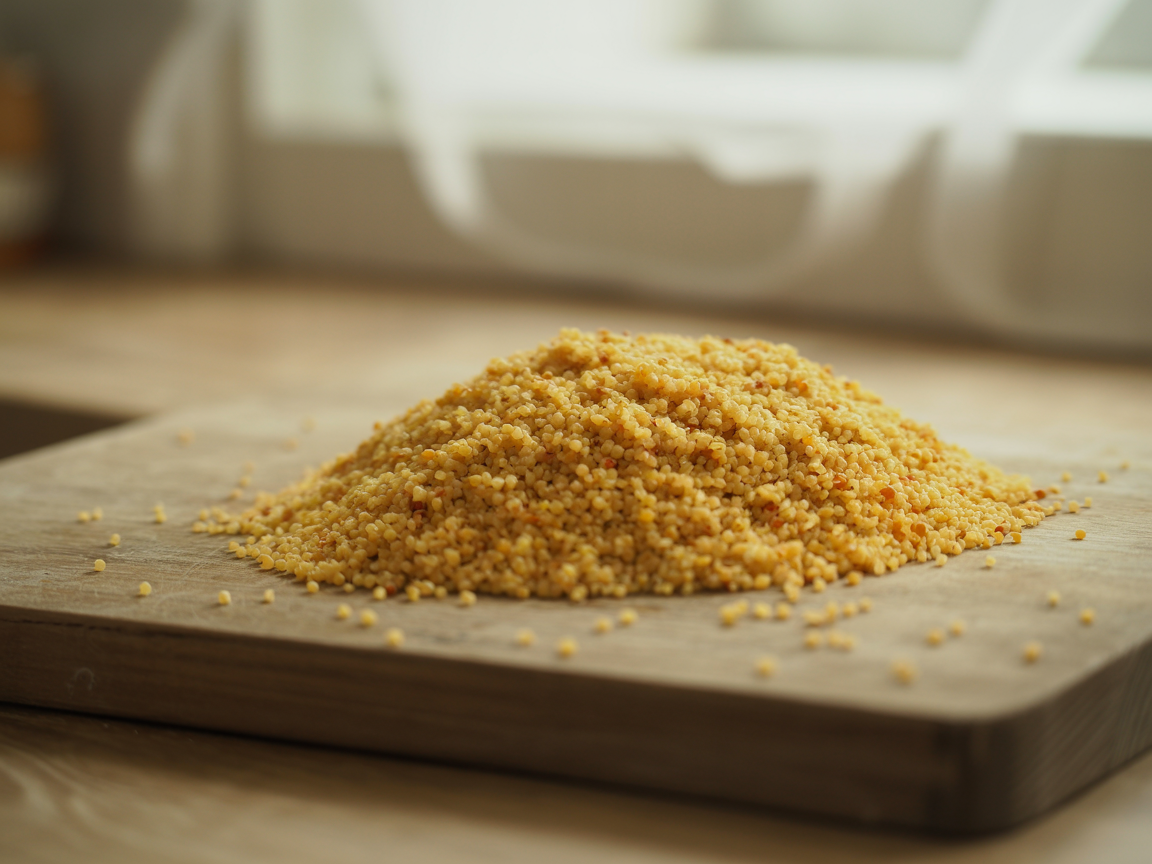
Teff is the world’s smallest grain, native to the Horn of Africa and the backbone of Ethiopian injera flatbread. It has a mildly sweet, nutty, almost molasses-like flavor that works beautifully in both savory and sweet recipes. Naturally gluten-free and packed with protein and fiber, it’s earned a devoted following among US home cooks looking for wholesome ancient grains.
Nutrition
≈ 50 Calories and 0.3g fat per tablespoon.
Teff punches well above its weight nutritionally. It delivers a complete amino acid profile with roughly 13 grams of protein per 100 grams of cooked grain, making it noteworthy among grains. Its dietary fiber supports digestive health and helps sustain steady energy levels. Teff is notably rich in iron, calcium, and magnesium—minerals that can be harder to source from other grains—and it provides a meaningful dose of B vitamins, particularly thiamine. Because it’s naturally gluten-free, it’s a smart staple for those with celiac disease or gluten sensitivity, and its relatively low glycemic impact compared to refined grains makes it a thoughtful choice for blood sugar management. Nutrition per 100 g.
Culinary uses & pairings
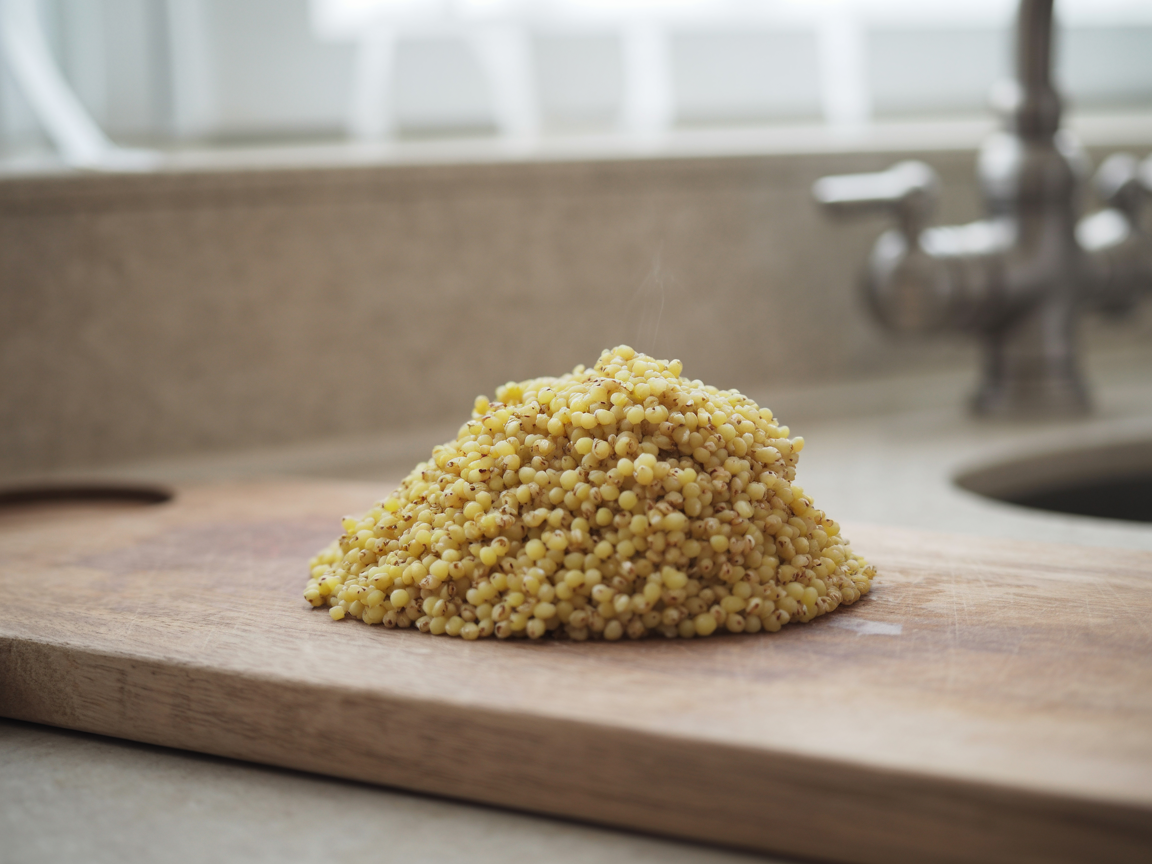
Teff’s most iconic use is as the flour that ferments into injera, the spongy Ethiopian flatbread that doubles as both plate and utensil. At home, whole teff grains cook into a creamy, polenta-like porridge in about 15 to 20 minutes—just simmer in water or milk and sweeten with honey or fruit for a deeply satisfying breakfast. Whole teff also works well simmered into grain bowls, folded into veggie burgers, or stirred into soups and stews as a thickener.
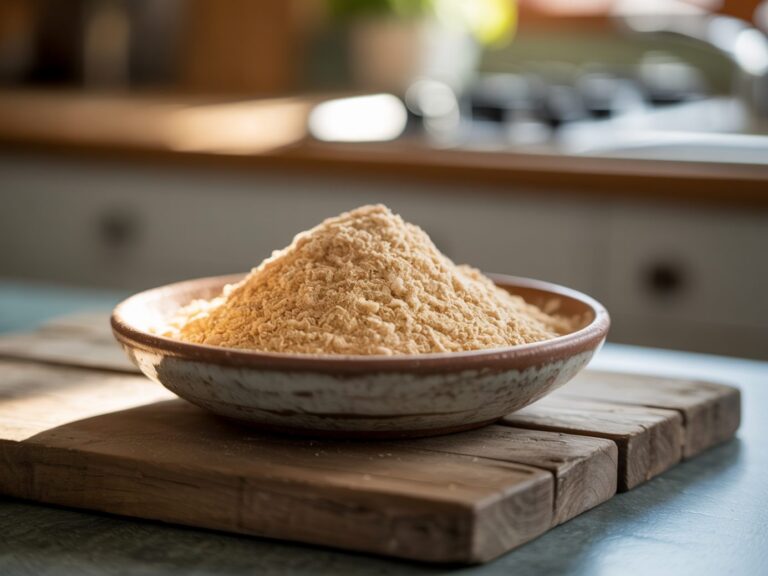
As a flour, teff flour adds a rich, slightly chocolatey depth to quick breads, muffins, pancakes, and cookies. It pairs especially well with cocoa, banana, and warm spices. Because it contains no gluten, it works best blended with other flours when structure is needed—aim for about 25 to 30 percent teff flour in most baked goods. It also makes wonderfully tender pie crusts and pizza doughs when combined with a gluten-free flour blend.
Pairs well with
Substitutions
Buying & storage
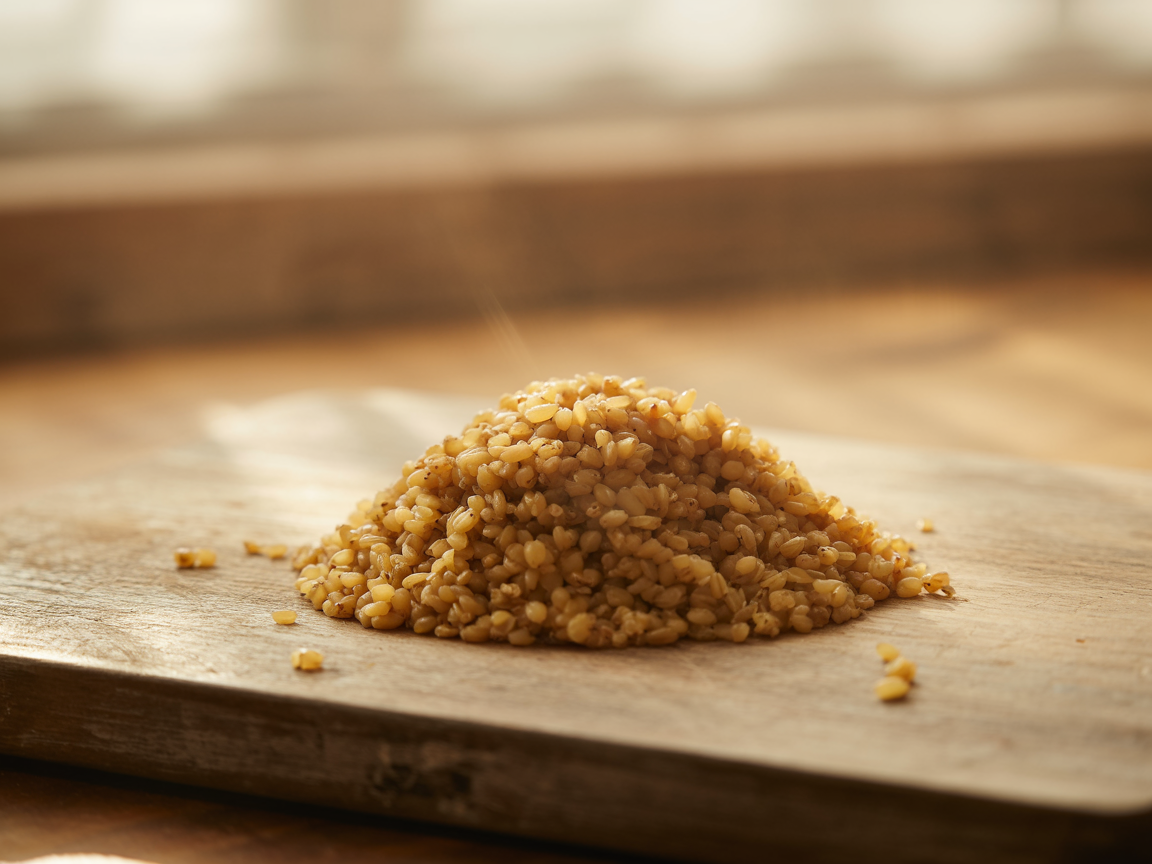
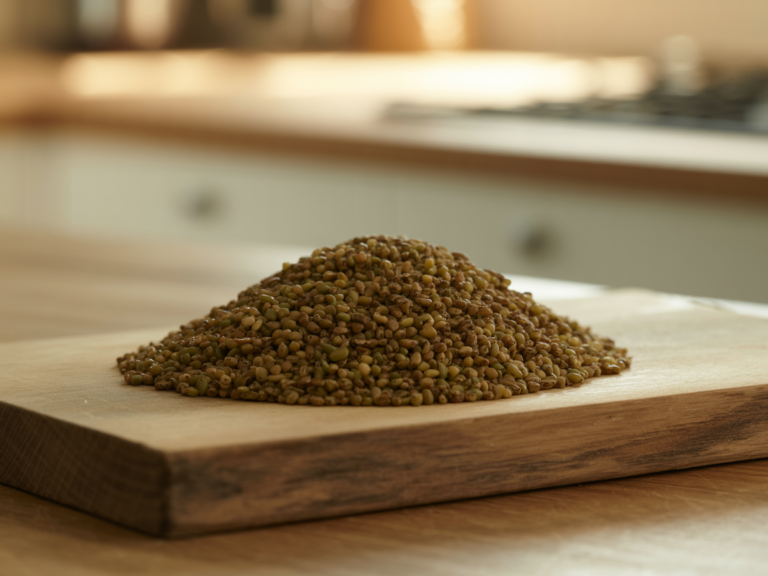
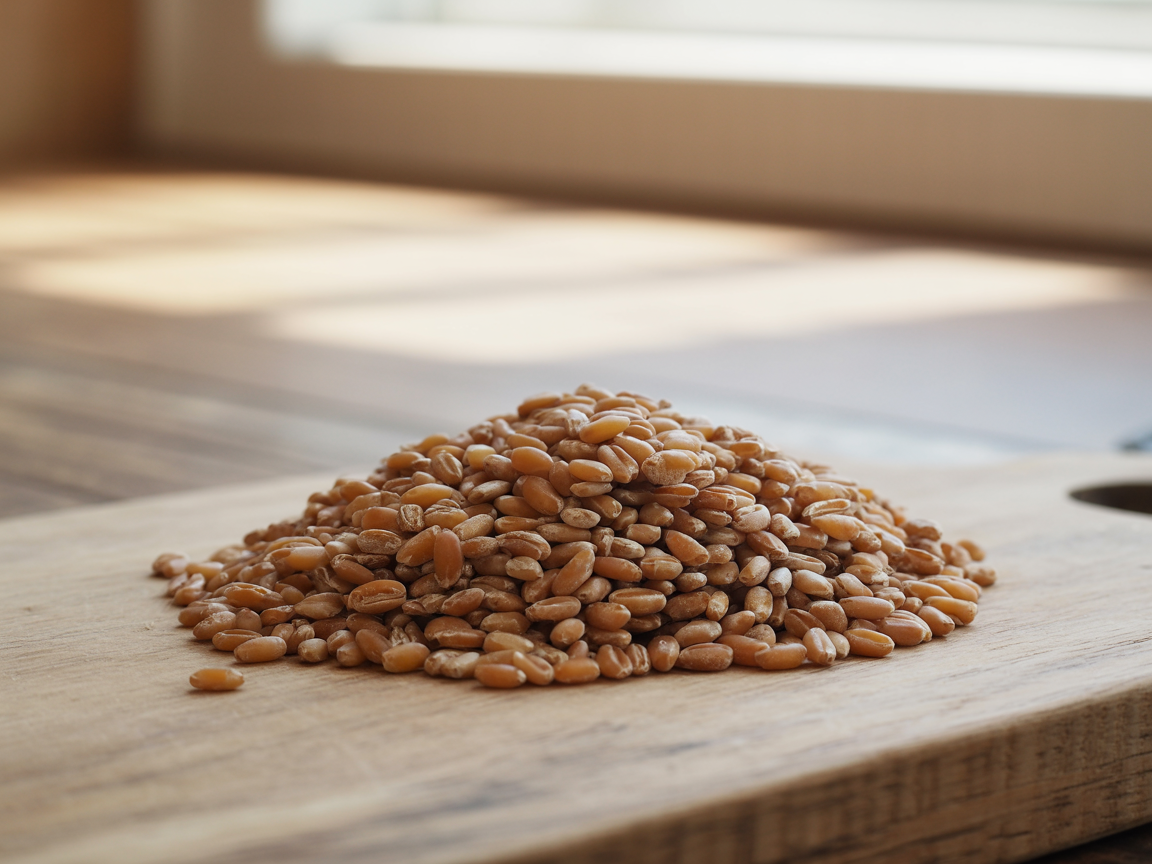
Look for teff sold as whole grain (ivory or brown) or as teff flour in the natural foods aisle, bulk bins, or online. Brown teff has a more robust, almost molasses-like flavor, while ivory teff is slightly milder and nuttier—both are excellent. Choose brands that seal their product well, since small grains can go stale quickly; opt for packages with a recent production date when possible. Bulk bins can offer great value, but make sure the bin turns over frequently to ensure freshness.
Varieties
- Brown Teff: The most common variety; deep reddish-brown color with a bold, earthy, molasses-like flavor that shines in injera and hearty baked goods.
- Ivory Teff: A lighter-colored grain with a milder, slightly sweeter and nuttier taste; preferred when you want a subtler flavor in porridge or lighter baked goods.
Recipes
We do not have recipes featuring teff in our collection just yet — but you can discover thousands of recipes, filtered to your diet and your pantry, over at Tucker Finder.
Find your next recipe
Discover thousands of recipes — matched to your diet, your pantry, and your schedule — and build a shopping list in one tap.
History & origin
Teff (Eragrostis tef) has been cultivated in the Ethiopian and Eritrean highlands for at least 3,000 years, making it one of the earliest domesticated grains in human history. Its name is widely believed to derive from the Amharic word meaning ‘lost,’ a nod to how tiny the seeds are. For centuries it was the dietary cornerstone of the Horn of Africa, providing sustenance to farmers and communities throughout the region. Teff first gained wider Western attention in the late 20th century as Ethiopian cuisine spread internationally, and interest surged again in the 2010s alongside the broader ancient grains and gluten-free movements in the United States.
How it’s made
Teff is a warm-season grass that thrives in the challenging growing conditions of the Ethiopian highlands—it tolerates both drought and waterlogged soils, and it matures quickly, often within 60 to 90 days. The plant grows in dense clusters and produces enormous numbers of minuscule seeds. At harvest, the stalks are cut and threshed, a process that separates the tiny grains from the chaff. Because the seeds are so small, they are almost always processed as whole grains—the bran, germ, and endosperm remain intact, which is a key reason teff retains so much of its fiber, protein, and mineral content. Teff flour is simply stone-ground or roller-milled from the whole grain, preserving most of its nutrition.
Good to know
- Teff grains are extraordinarily tiny—roughly 100 to 150 seeds fit in the space of a single wheat kernel, making it one of the smallest cereal grains in the world.
- Ethiopian long-distance runners, including multiple Olympic champions, have credited teff-rich diets as a factor in their extraordinary endurance—its iron and complex carbohydrate content supports sustained athletic performance.
- Teff is one of the few grains where the whole grain is always eaten; the seed is simply too small to mill into refined white flour the way wheat or rice can be.
- Injera, the fermented teff flatbread central to Ethiopian cuisine, acts as both a serving platter and an edible utensil—stews and salads are piled on top and torn pieces of injera are used to scoop up every bite.
- Despite being called a grain, teff is technically a cereal grass seed in the lovegrass family, botanically distinct from wheat, rice, and corn.