Spelt
Spelt is an ancient grain with a nutty, slightly sweet flavor that feels right at home in both rustic breads and modern bowls.
In a nutshell
Spelt is a hulled wheat relative that’s been feeding people for thousands of years. It has a pleasantly chewy texture and a mellow, nutty taste that works in everything from sourdough to risotto-style dishes. Because it contains gluten, it’s not safe for those with celiac disease, but some people with mild wheat sensitivities tolerate it better than modern wheat.
Nutrition
≈ 46 Calories and 0.3g fat per tablespoon.
Spelt is a genuinely protein-rich grain, delivering more protein per serving than most common cereals, which makes it a satisfying choice for plant-forward meals. Its substantial fiber content supports digestive health and helps you stay full longer. Spelt also contributes meaningful amounts of B vitamins—especially niacin and thiamine—along with minerals like manganese, phosphorus, magnesium, and iron that support bone health, energy metabolism, and oxygen transport. The fat profile leans toward beneficial unsaturated fatty acids, keeping the overall nutrition picture quite favorable for an everyday whole grain. Nutrition per 100g via Spoonacular.
Culinary uses & pairings
Whole spelt berries shine in grain bowls, soups, and pilafs—simmer them in salted water or broth for about 45 to 60 minutes until tender-chewy, then toss with roasted vegetables, herbs, and a bright vinaigrette. They also work beautifully in place of farro or wheat berries in any recipe that calls for a hearty whole grain.
Spelt flour is the other workhorse: use it in sourdough loaves, sandwich bread, muffins, pancakes, and pasta dough. Because spelt gluten is more fragile and water-soluble than modern wheat gluten, doughs come together quickly but can over-mix easily—keep mixing times short and hydration slightly lower than you would with all-purpose flour for the best results.
Pairs well with
Substitutions
Buying & storage
Look for whole spelt berries in the bulk bins or packaged grain section of natural-food stores and well-stocked supermarkets. For flour, you’ll find both whole-grain spelt flour (which keeps all the bran and germ) and white spelt flour (sifted to remove some bran) — choose whole-grain when nutrition is the priority and white spelt when you want a lighter crumb. Whichever form you buy, check that the packaging or bin smells fresh and faintly nutty, never musty or rancid, since the germ’s oils can turn over time.
Types
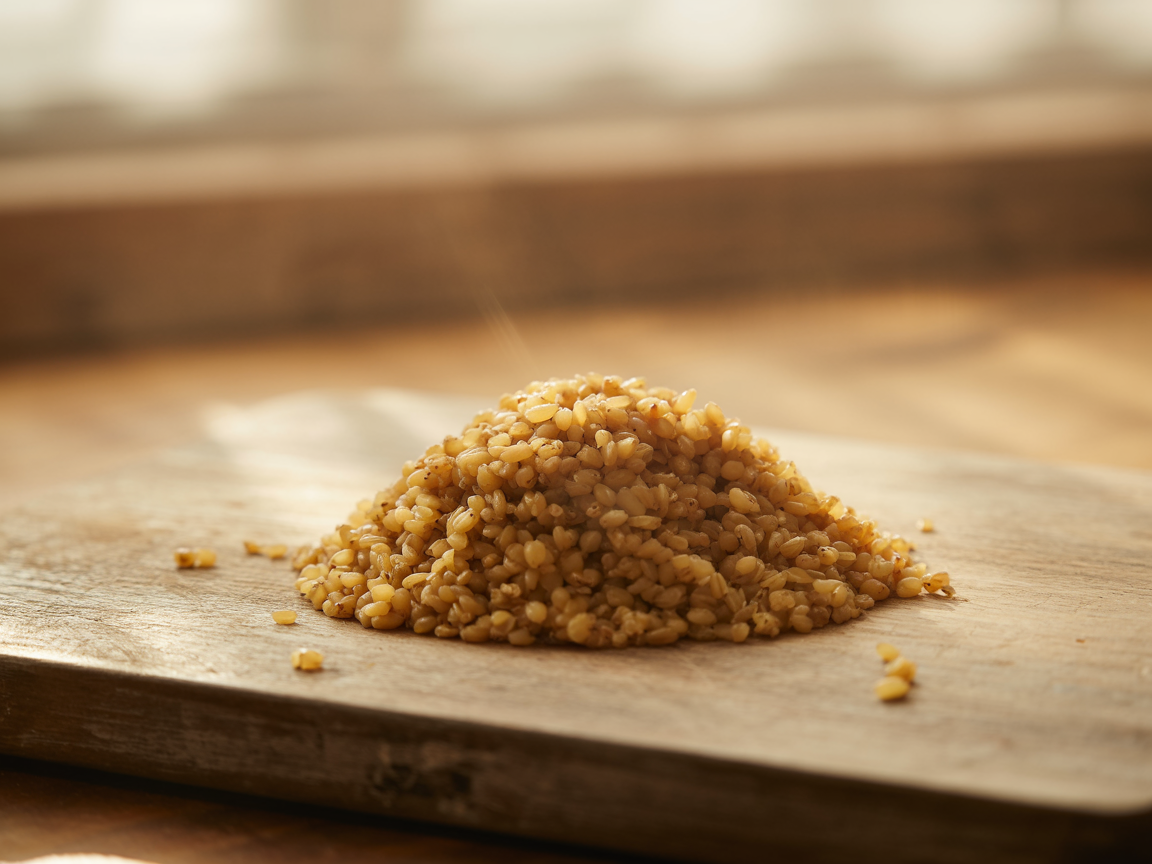
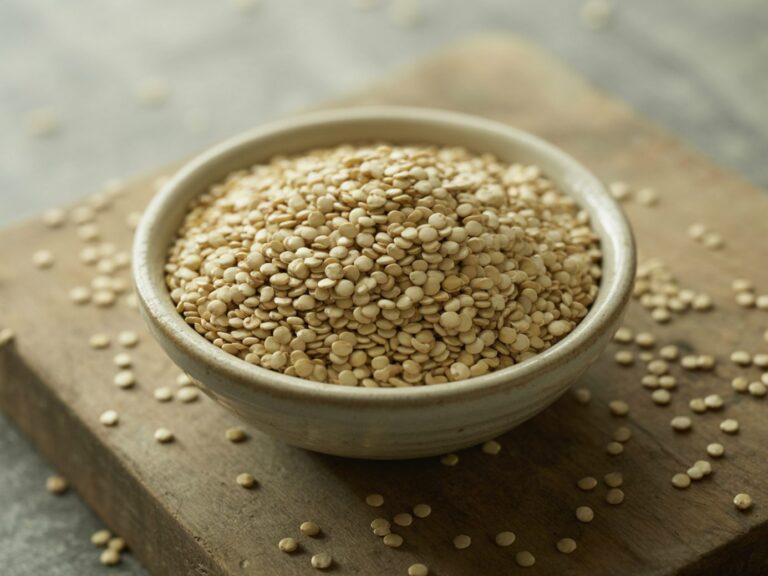
- Whole Spelt Berries: The intact, hulled grain kernel—most nutritious form, chewy when cooked, great for salads and soups.
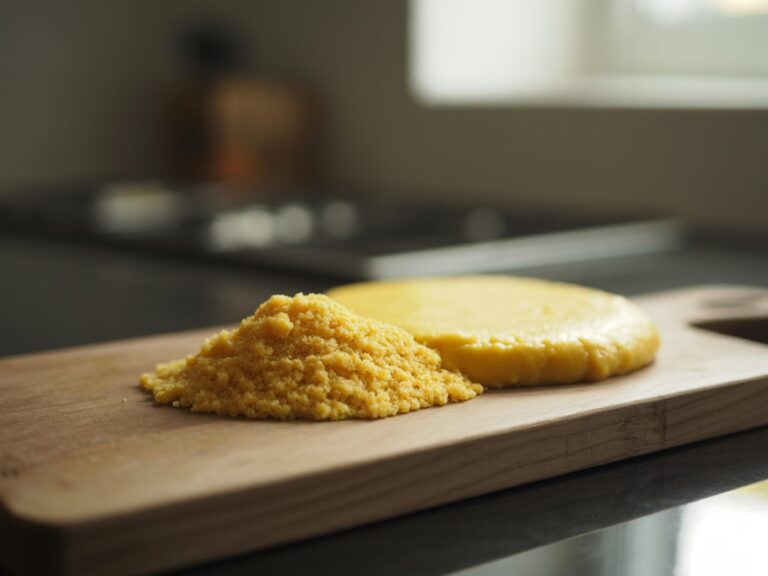
- Whole-Grain Spelt Flour: Ground from the entire berry including bran and germ; full-flavored, slightly coarse, and highest in fiber and nutrients.
- White Spelt Flour: Sifted to remove most bran; lighter in texture and color, easier to use as a direct wheat-flour swap in baking.
- Spelt Flakes: Rolled like oats and used as a hot cereal or granola base; cook in about 5 minutes and have a mild, creamy texture.
- Puffed Spelt: Heat-expanded berries sold as a ready-to-eat cereal or crunchy topping for yogurt and smoothie bowls.
Cooking with spelt tonight?
Find spelt recipes that match your diet — keto, high-protein, vegan, under 30 minutes — and build a shopping list in one tap.
History & origin
Spelt (Triticum spelta) is one of humanity’s oldest cultivated grains, with archaeological evidence placing it in the Near East and southeastern Europe as far back as 5,000 BCE. It spread through ancient Mesopotamia and became a dietary staple of the Roman Empire, where it was known as far or adoreum and used to make a porridge called puls. During the Middle Ages spelt was widely grown across central Europe, particularly in Germany, Switzerland, and Austria—regions where it’s still called Dinkel today. As industrial agriculture favored higher-yielding modern wheat varieties through the 19th and 20th centuries, spelt nearly disappeared from Western fields. It staged a quiet comeback in the 1980s and 1990s alongside growing interest in whole foods, heritage grains, and artisan baking, and it now enjoys a firm place in the US natural-foods market.
How it’s made
Spelt is a hulled wheat, meaning each berry is tightly encased in a tough outer husk that modern wheat has been bred to shed easily—spelt has not. After harvest, the grain must go through an extra dehulling (or hulling) step using specialized machinery that cracks the husk away without damaging the kernel inside. This extra processing is one reason spelt costs a bit more than common wheat. Once dehulled, berries can be sold whole, rolled into flakes, puffed, or milled into flour. The tightly bound husk actually acts as a natural protective layer during growing, which is part of why spelt tends to thrive with fewer pesticides and in poorer soils than modern wheat—a quality that makes it popular with organic farmers.
Good to know
- Spelt’s gluten is more water-soluble and fragile than modern wheat gluten, which is why over-kneading spelt dough produces a slack, sticky mess—less really is more.
- The 12th-century abbess and mystic Hildegard von Bingen wrote enthusiastically about spelt, calling it the best of grains and recommending it for health—making her one of history’s earliest recorded spelt advocates.
- Because spelt is a covered grain, its protective husk shields it from pests and environmental stress, allowing it to be grown organically more easily than naked wheat varieties.
- Spelt contains gluten and is absolutely not safe for people with celiac disease, despite persistent internet claims to the contrary—it is simply a different species of wheat, not a gluten-free grain.
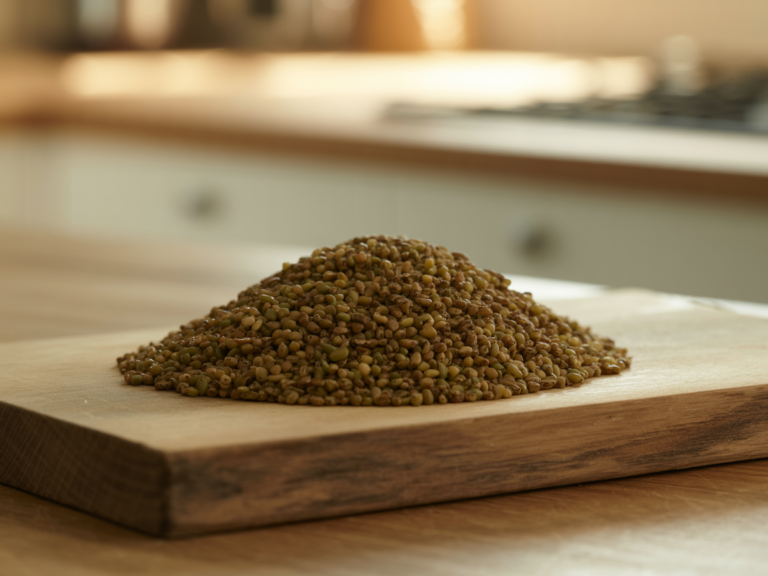
- In Germany, unripe green spelt berries are harvested early, kiln-dried, and sold as Grünkern (green spelt), a smoky, earthy ingredient used in soups and patties that has no exact American equivalent.