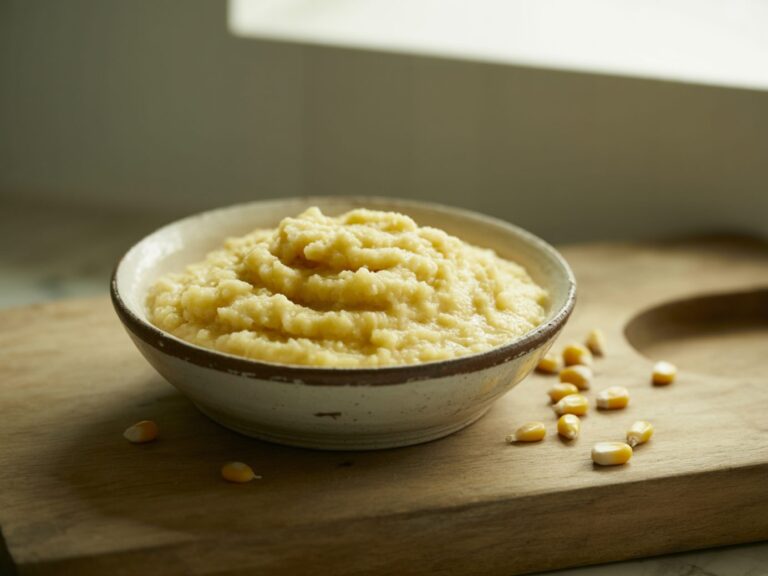
Steel-Cut Oats
Steel-cut oats bring a hearty, nutty chew to your morning bowl that rolled oats simply can’t match.
In a nutshell
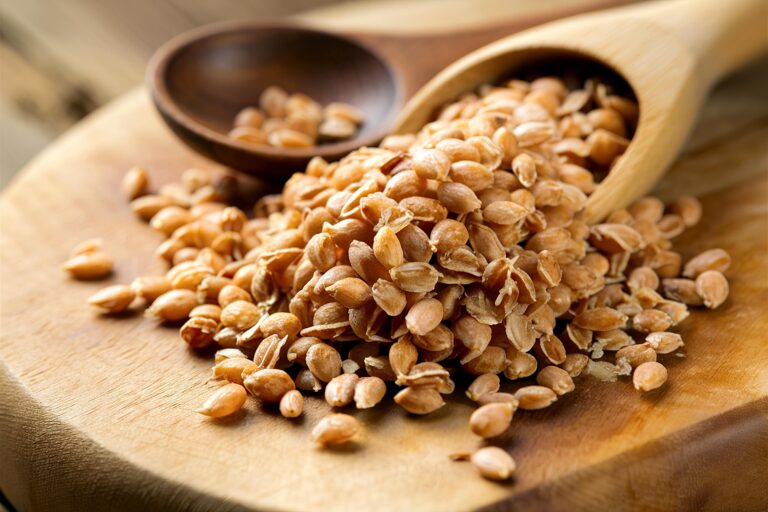
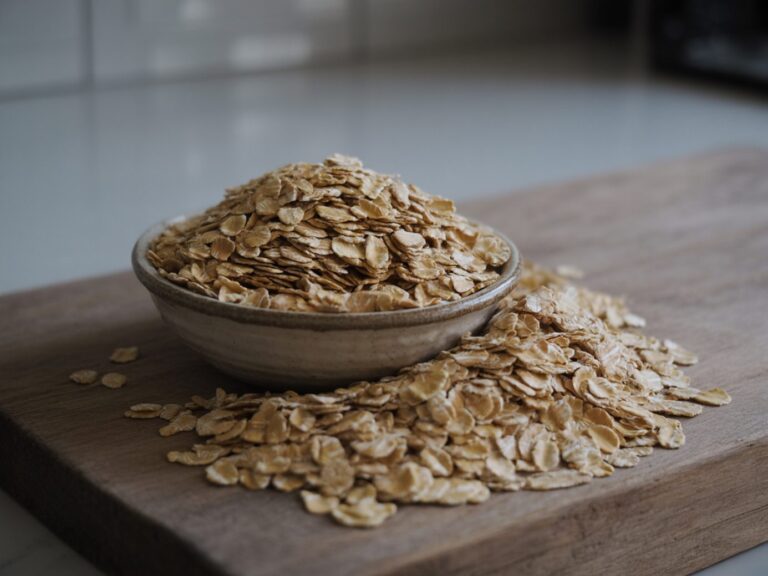
Steel-cut oats are whole oat groats that have been chopped into two or three pieces rather than rolled flat, which preserves more of their natural texture and density. They take longer to cook than rolled oats but reward your patience with a creamy, chewy porridge and a deeper, toastier flavor. They’re a pantry staple for anyone who wants a genuinely satisfying, whole-grain breakfast.
Nutrition
≈ 52 Calories and 0.9g fat per tablespoon.
Steel-cut oats are a good plant-based protein source among grains, delivering around 13 to 14 grams per 100g dry serving — meaningful for a plant-based start to the day. Their most celebrated nutrient is beta-glucan, a soluble fiber responsible for that signature creaminess; this same fiber is linked to lower LDL cholesterol and improved blood sugar regulation. The hefty fiber count supports digestive health and prolonged satiety, making them genuinely filling well past breakfast. They also contribute B vitamins, iron, magnesium, and zinc, and because the groat is only minimally processed, more of those micronutrients stay intact compared to instant varieties. Nutrition per 100g via Spoonacular.
Culinary uses & pairings
The classic use is a stovetop porridge: simmer in water or milk (or a blend of both) for 20 to 30 minutes, stirring occasionally, until thick and creamy. Top with fruit, nuts, a drizzle of maple syrup, or a pat of butter. For busy mornings, the overnight soak method cuts active cook time dramatically — just cover with liquid the night before, refrigerate, and warm gently in the morning.
Steel-cut oats work surprisingly well beyond breakfast. Use them as a savory grain bowl base cooked in broth with a fried egg and roasted vegetables on top, or stir them into soups and stews as a thickener and body-builder. They also fold into baked goods like hearty breads and muffins wherever you want extra chew and a whole-grain boost.
Pairs well with
Substitutions
Buying & storage
Look for steel-cut oats sold in airtight tins, resealable bags, or bulk bins with a high turnover — freshness matters because the small amount of natural fat in oats can go rancid over time. The label should list a single ingredient: oats (sometimes called Irish oats or pinhead oats). If you follow a gluten-free diet, choose bags that are explicitly certified gluten-free, since many facilities also process wheat. Organic options are widely available and worth considering if you prefer to avoid pesticide residue on a grain you eat daily.
Types
- Irish (traditional) steel-cut oats: Chopped into 2 to 3 pieces; the standard style with the longest cook time and chewiest result.
- Scottish oats: Stone-ground rather than cut, producing a finer, sandier texture that cooks into an ultra-creamy, almost pudding-like porridge.
- Quick-cook steel-cut oats: Cut into smaller pieces and sometimes lightly steamed before packaging; ready in about 5 to 7 minutes with most of the texture intact.
- Certified gluten-free steel-cut oats: Same grain, but grown and processed in dedicated facilities to meet the FDA’s gluten-free threshold of under 20 ppm.
Cooking with steel cut oats tonight?
Find steel cut oats recipes that match your diet — keto, high-protein, vegan, under 30 minutes — and build a shopping list in one tap.
History & origin
Oats were cultivated in Europe as far back as around 1000 BCE, but for centuries they were considered a weed grain — a hardy crop that grew where other cereals struggled. Scotland and Ireland embraced them by necessity and ultimately by tradition, and the stone-milled and later steel-cut methods that developed there became synonymous with a sturdy, warming porridge eaten by farmers and laborers to fuel long days of physical work. The name Irish oats gained currency in the American market after waves of Irish immigration in the 19th century brought the preference for cut groats over the rolled flakes that industrialization would later popularize. Today steel-cut oats carry an almost nostalgic prestige as a return to slower, less-processed eating.
How it’s made
Whole oat groats — the hulled kernel of the oat grain with the inedible outer husk removed — are passed through rotating steel blades that chop each groat into two or three rough pieces. That’s essentially the entire process. Unlike rolled oats, the groats are not steamed or pressed flat, which means the starches remain largely intact and require moist heat and time to fully hydrate during cooking. Some producers lightly toast the groats before cutting to deepen their nutty flavor, but the fundamental process is one of the most minimal in the grain world.
Good to know
- The term “pinhead oats” used in Ireland and Scotland refers to the small, angular shape each cut piece resembles.
- Cooked steel-cut oats reheat beautifully — cook a big batch on Sunday, refrigerate it, and stir in a splash of water or milk each morning for a quick weekday breakfast.
- Beta-glucan, the soluble fiber in oats, forms a thick gel in the digestive tract that physically slows glucose absorption — one reason oats carry an FDA-authorized heart health claim linking them to reduced risk of heart disease.
- Steel-cut oats have a slightly lower glycemic index than rolled oats because the denser structure takes longer for digestive enzymes to break down.
- An Instant Pot or electric pressure cooker can produce perfect steel-cut oats in about 10 minutes of pressure time with no stirring required.