Pigeon Peas (Toor Dal)
Pigeon peas are a humble, nutty legume that bring hearty comfort to everything from weeknight dals to festive Caribbean rice dishes.
In a nutshell
Pigeon peas — sold dried, split (as toor dal), or canned — are a creamy, mildly earthy legume beloved across South Asia, the Caribbean, and East Africa. They cook down into a silky, protein-rich porridge or hold their shape beautifully in chunky soups and rice dishes. Their gentle, slightly sweet flavor makes them one of the most versatile legumes in the global pantry.
Nutrition
≈ 16 Calories and 0.1g fat per tablespoon.
Pigeon peas punch well above their weight nutritionally. Their protein-to-calorie ratio is impressive — roughly 7 grams of protein per 100g of cooked peas at around 143 calories — making them a solid plant-based protein source for vegetarians and meat-eaters alike. Almost all of their carbohydrates are balanced by a meaningful ~7 grams of dietary fiber, which supports digestive health and helps moderate blood sugar response. They’re naturally low in fat and sodium, and they supply meaningful amounts of folate, iron, potassium, and magnesium, nutrients particularly important for heart health, energy metabolism, and healthy pregnancies. Nutrition per 100g via Spoonacular.
Culinary uses & pairings
In Indian cooking, split pigeon peas (toor dal) are the backbone of everyday dal — simmered with turmeric until creamy, then finished with a sizzling tadka (tempering) of mustard seeds, cumin, dried chiles, and curry leaves poured over the top. They also thicken sambar, the tangy South Indian vegetable stew served alongside idli and dosa.
Across the Caribbean, whole pigeon peas star in rice and peas, cooked with coconut milk, thyme, and allspice into an aromatic, festive side dish. In Puerto Rico, arroz con gandules is a national treasure. They also work beautifully in thick soups, West African stews, and even hearty grain bowls — anywhere you want a legume with substance and a flavor that stands up to bold spicing.
Pairs well with
Substitutions
Buying & storage
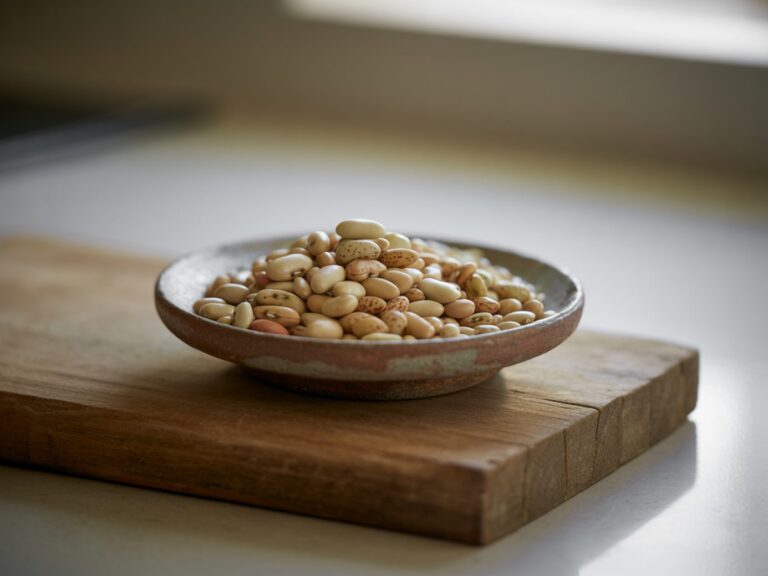
When buying dried toor dal, look for pale golden-yellow split peas that are uniform in size with no shriveled or discolored pieces — a sign of age or poor storage. Some Indian brands sell an oily variety of toor dal coated in castor oil to extend shelf life; it requires thorough rinsing before cooking. Whole dried pigeon peas should be firm and evenly colored. Canned pigeon peas (often labeled gandules in Latin markets) are a fantastic time-saver — check that the can shows no dents or bulging and that the only ingredients are peas, water, and salt.
Varieties and Forms
- Toor Dal (Split, Skinned): The most common form in Indian cooking — husked and split so they cook relatively quickly into a creamy, smooth dal.
- Oily Toor Dal: Split pigeon peas coated in castor oil for extended shelf life; rinse very thoroughly before cooking to remove the oily residue.
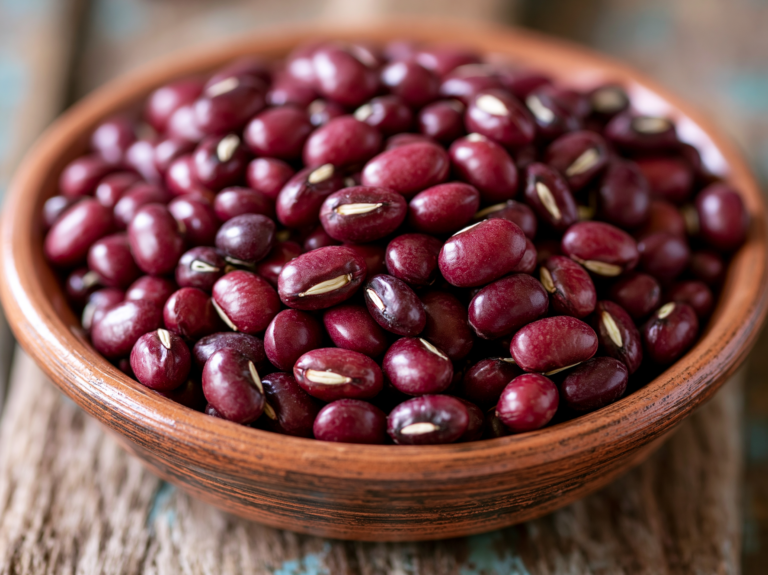
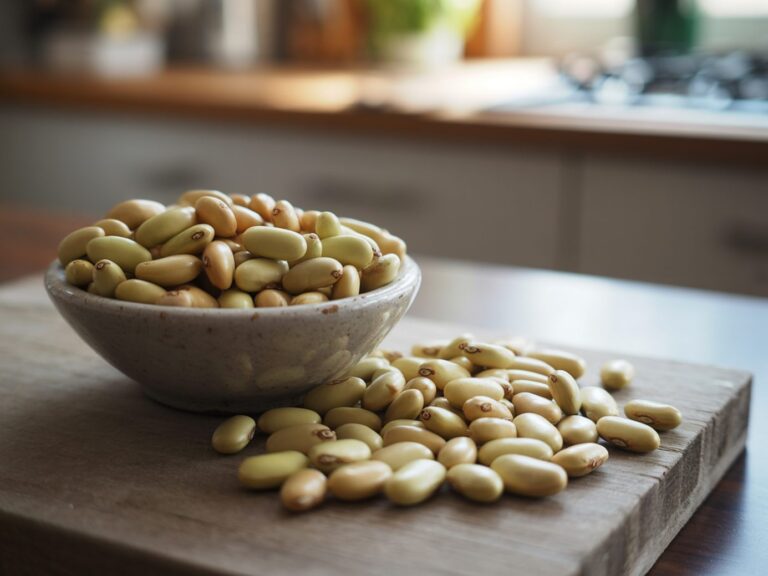
- Whole Dried Pigeon Peas: Retain their skin and shape; used in Caribbean rice dishes and hearty soups; benefit from soaking overnight and require longer cooking than split dal.
- Canned Pigeon Peas (Gandules): Pre-cooked and ready to use; common in Latin American grocery stores and ideal for arroz con gandules or quick soups.
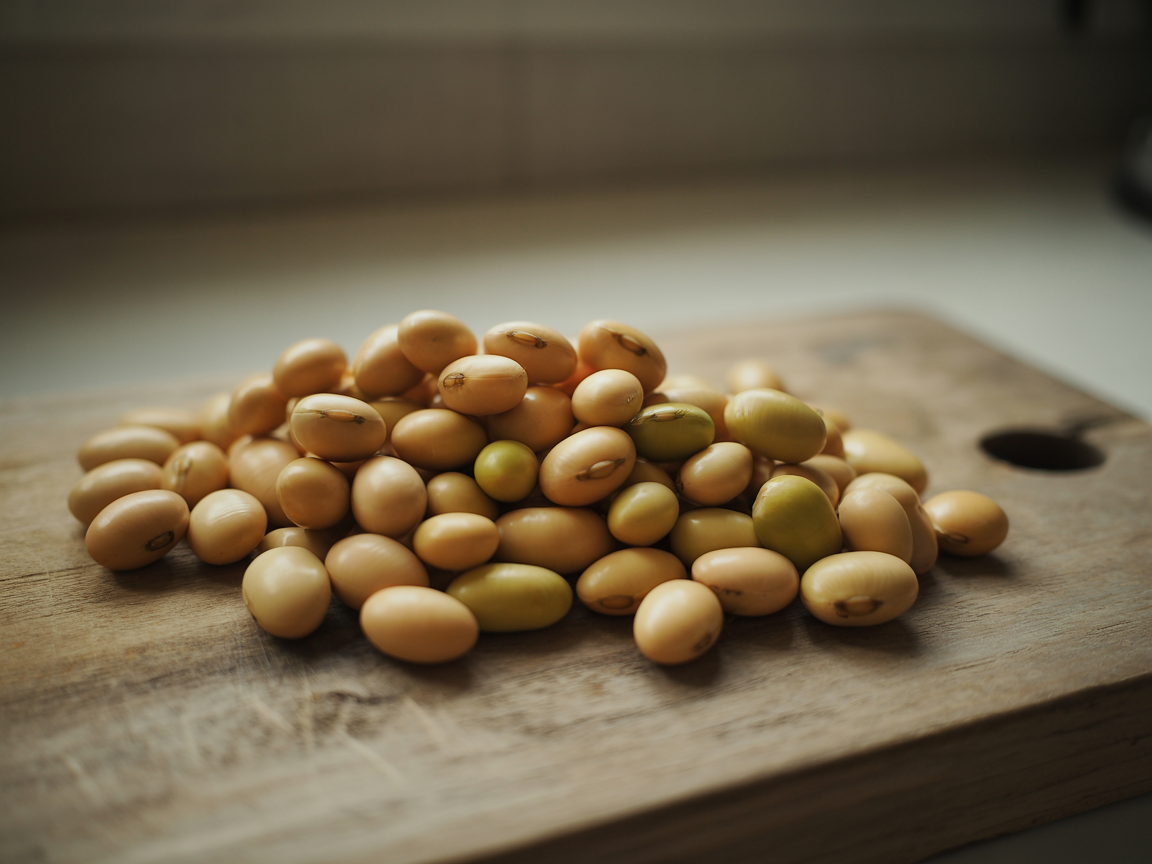
- Fresh or Frozen Green Pigeon Peas: Harvested young and sweet; less common in the US but found in Caribbean and Asian specialty markets; cook quickly and have a fresher flavor.
Cooking with pigeon peas tonight?
Find pigeon peas recipes that match your diet — keto, high-protein, vegan, under 30 minutes — and build a shopping list in one tap.
History & origin
Pigeon peas (Cajanus cajan) are one of the oldest cultivated legumes on earth, with archaeobotanical evidence of cultivation in India dating back over 3,500 years, and some evidence suggesting possible African origins or parallel early domestication. They spread through trade routes to East Africa, where they became deeply embedded in local cuisines, and then across the Atlantic during the colonial era, carried by enslaved Africans who brought food knowledge and seeds with them to the Caribbean and the Americas. Today pigeon peas are a staple crop across the tropical and subtropical world, from the Indian subcontinent and East Africa to Jamaica, Trinidad, Puerto Rico, and the Dominican Republic — a quiet testament to the resilience and cultural continuity of the communities who kept them at the center of the table.
How it’s made
Pigeon peas grow on woody, drought-tolerant shrubs that thrive in warm, semi-arid climates and actually improve soil fertility by fixing atmospheric nitrogen through root bacteria — making them a valued crop for small-scale and sustainable farmers. Pods are harvested either young and green for fresh eating or left to dry fully on the plant for dried peas. To produce toor dal, the dried whole peas are dehusked and split — traditionally by stone milling — leaving the pale yellow cotyledons that cook more quickly and evenly than whole peas. The oily variety gets a light coating of castor oil applied after splitting to protect against moisture and insects during long storage.
Good to know
- Pigeon peas are one of the few legumes that can thrive in poor, dry soils where other crops struggle, making them a crucial food security crop in drought-prone regions.
- In Jamaica, ‘rice and peas’ is traditionally made with kidney beans or pigeon peas — and it’s considered essential at Sunday dinner and holiday meals.
- Toor dal is among the most widely consumed pulses in India, forming the base of everyday home cooking across Maharashtra, Gujarat, Karnataka, and Tamil Nadu.
- The pigeon pea plant can live for several years as a perennial shrub in tropical climates, unlike most annual legume crops.
- Pigeon peas provide a range of essential amino acids that are complemented well when paired with rice or other grains, a combination that cultures around the world arrived at independently.