Anasazi Beans
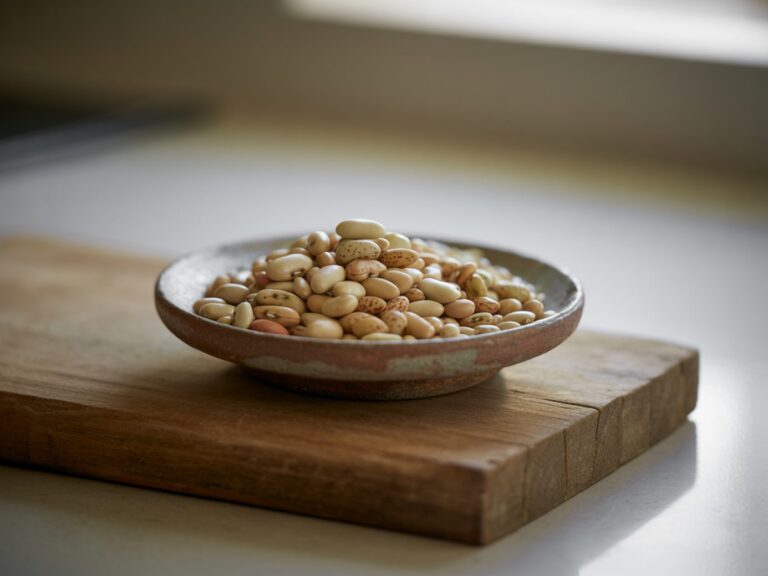
Anasazi beans bring a mildly sweet, earthy flavor and stunning speckled color to your favorite bean dishes.
In a nutshell
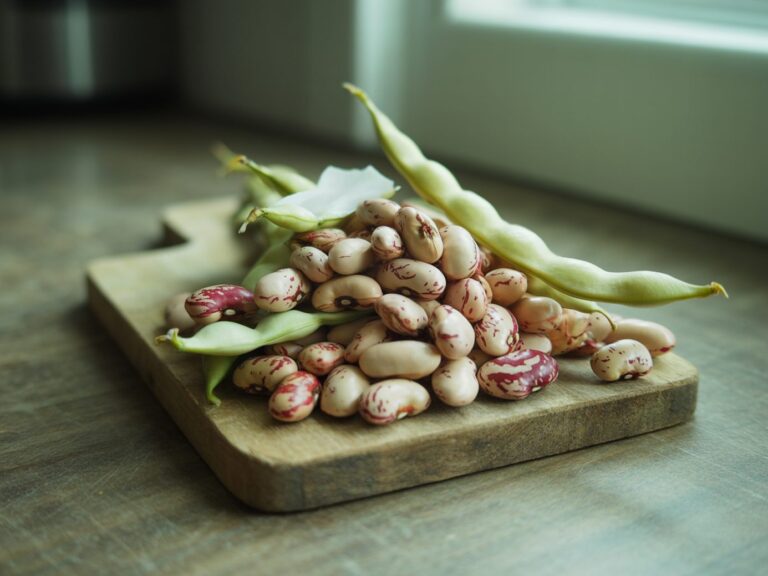
Anasazi beans are a heritage variety of common bean with a distinctive burgundy-and-white speckled pattern that fades to a rosy pink when cooked. They cook faster than most dried beans and have a slightly sweeter, less ‘beany’ taste than pinto beans. Home cooks prize them as a flavorful, lower-gas alternative for Southwestern and everyday dishes.
Nutrition
≈ 45 Calories and 0.1g fat per tablespoon.
These beans are a nutritional powerhouse, delivering a solid amount of plant-based protein and complex carbohydrates that provide steady energy. Whole cooked Anasazi beans are naturally rich in dietary fiber that supports digestive health. They’re very low in fat with virtually no saturated fat, and their modest sodium content makes them heart-friendly. Like most legumes, they contribute B vitamins, iron, potassium, and magnesium to your diet. Nutrition per 100g via Spoonacular.
Culinary uses & pairings
Anasazi beans shine in Southwestern cooking wherever you’d reach for pinto beans. Simmer them into a rich pot of chili, mash them into creamy refried beans, or stir them into hearty soups and stews. Because they cook somewhat faster than pintos, they’re a great weeknight option even without overnight soaking.
Beyond Southwestern fare, they work beautifully in bean salads, grain bowls, and veggie burgers. Their mild sweetness pairs well with bold spices like cumin and chili powder, and they hold their shape well enough for slow-cooker dishes, though they’ll turn delightfully creamy if you cook them longer.
Pairs well with
Substitutions
Buying & storage
Look for Anasazi beans in the bulk bins or dried-bean aisle of natural food stores and well-stocked grocery stores; they’re also easy to find online from heritage-seed suppliers. Choose beans with vivid burgundy-and-white speckles and smooth, unshriveled skins — bright color signals freshness. Avoid bags with a lot of broken or discolored beans, and check for any visible debris. Since dried beans toughen significantly with age, try to buy from a store with good turnover and look for a harvest or packaging date if one is printed on the bag.
Cooking with anasazi beans tonight?
Find anasazi beans recipes that match your diet — keto, high-protein, vegan, under 30 minutes — and build a shopping list in one tap.
History & origin
Anasazi beans take their name from the Ancestral Puebloans — sometimes called the Anasazi — who cultivated this bean in the Four Corners region of the American Southwest for centuries before European contact. Archaeological evidence suggests beans were grown in the area well over a thousand years ago, though precise dating for this specific variety is difficult to establish. The variety was nearly lost after those communities dispersed, but seeds were rediscovered and reintroduced commercially in the 1980s, largely through small heritage-seed operations in Colorado and New Mexico. Today the name ‘Anasazi’ is a registered trademark for commercially grown beans, though the underlying seed stock is also maintained by tribal communities and seed-saving organizations.
How it’s made
Anasazi beans are a dry shell bean grown much like other common beans (Phaseolus vulgaris). Farmers plant the seeds in warm soil after the last frost, and the low-growing bush plants mature in roughly 85 to 100 days. The pods are left on the plant until they dry and rattle, then harvested and threshed to separate the beans. Commercial crops in the San Luis Valley of Colorado and surrounding high-desert areas benefit from the dry climate, which naturally cures the beans in the field. After threshing, the beans are cleaned, sorted for size and quality, and bagged for sale — no further processing is needed.
Good to know
- The name ‘Anasazi’ is a Navajo word often translated as ‘ancient ones’ or ‘ancient enemies,’ and many Native scholars prefer the term ‘Ancestral Puebloans’ for the people who originally grew this bean.
- Anasazi beans are said to cause less digestive discomfort than many other beans because they may contain lower levels of certain complex sugars (oligosaccharides) that the human gut can’t fully digest, though rigorous comparative studies are limited.
- Their striking speckled pattern fades significantly during cooking, transforming from dramatic burgundy-and-white to a uniform dusty rose or mauve.
- The name ‘Anasazi’ is a registered trademark applied to a commercially grown version of this bean produced primarily in Colorado.
- Anasazi beans need no soaking to cook successfully, though soaking still shortens the total cook time and may improve digestibility further.