Broccoli
Broccoli is the dependable green powerhouse that earns its place on every home cook’s weekly shopping list.
In a nutshell
Broccoli is a cool-season cruciferous vegetable prized for its dense, tree-like florets and tender stalks. It’s one of the most nutrient-dense vegetables you can buy at any grocery store. Raw or cooked, it brings color, crunch, and serious nutrition to everyday meals.
Nutrition
≈ 5 Calories and 0.1g fat per tablespoon.
Broccoli punches well above its weight for a vegetable so low in calories. It’s an exceptional source of vitamin C—a single cup of raw florets can cover well over 100% of your daily needs—and delivers a solid hit of vitamin K, which supports bone health and proper blood clotting. The folate content makes it especially valuable for pregnant women, while its respectable fiber-to-carb ratio helps support digestive health and steady blood sugar. Broccoli also contains sulforaphane, a sulfur-containing compound formed when the vegetable is chopped or chewed that has been widely studied for its potential anti-inflammatory and cancer-protective properties. Calcium and iron round out the mineral profile, making broccoli unusually complete for a non-starchy vegetable. Nutrition per 100g via Spoonacular.
Culinary uses & pairings
Broccoli shines in roasted preparations—toss florets with olive oil, salt, and a pinch of red pepper flakes, then spread them in a single layer at 425°F (220°C) until the edges are deeply caramelized and crispy. That high-heat treatment transforms its mild, grassy flavor into something almost nutty and sweet. Steaming for just 3 to 5 minutes keeps the color vivid and the texture tender-crisp, making it perfect as a simple side or a base for sauces and cheese toppings.
In everyday cooking, broccoli works beautifully in stir-fries, pasta dishes, grain bowls, and soups. Don’t overlook the stalk—peeled and sliced thin, it’s sweeter and more tender than most people expect, great for slaws or quick sautés. Broccoli holds up to bold flavors like garlic, soy sauce, chili, and aged cheese, and it blends smoothly into cream soups when cooked until very soft.
Pairs well with
Substitutions
Buying & storage
Look for heads with tightly closed, dark green or purplish-green florets—any yellowing means the broccoli is past its prime and will taste sulfurous when cooked. The stalk should feel firm and moist at the cut end, not dried out or hollow. Smaller heads often have more concentrated flavor than giant ones. Avoid bunches where the florets have begun to open or separate, and skip any with slimy or soft spots. Loose florets sold pre-cut in bags are convenient but tend to deteriorate faster, so use them within a day or two of purchase.
Varieties
- Calabrese: The standard supermarket broccoli with a large central head and thick stalk; named for Calabria, Italy, and what most Americans picture when they hear ‘broccoli.’
- Broccolini: A hybrid of broccoli and gai lan with long thin stems and small florets; sweeter and more tender, needing minimal prep.
- Romanesco: Technically classified as a variety of Brassica oleracea like both broccoli and cauliflower; its stunning lime-green fractal spirals have a nuttier, milder flavor than standard broccoli.
- Purple broccoli: Has a slightly sweeter, earthier taste than green varieties; the purple color fades to green when cooked due to heat-sensitive anthocyanins.
- Sprouting broccoli: Produces multiple smaller heads on branching shoots rather than one large crown; popular in UK and farmers’-market cooking for its delicate texture.
Recipes using broccoli
90 recipes across our recipe sites use broccoli. A few favorites:
Cooking with broccoli tonight?
Find broccoli recipes that match your diet — keto, high-protein, vegan, under 30 minutes — and build a shopping list in one tap.
History & origin
Broccoli was developed by Italian farmers from wild cabbage relatives along the Mediterranean coast, and was a staple of Roman cuisine, with cultivation references dating back at least to the 1st century CE. Italian immigrants brought it to the United States in the early 20th century, but it remained largely unknown to most Americans until the 1920s and 1930s when Italian growers in California began commercial cultivation. By the 1980s it had become one of the most consumed vegetables in the country, partly driven by nutrition research that began spotlighting cruciferous vegetables as particularly health-promoting.
How it’s made
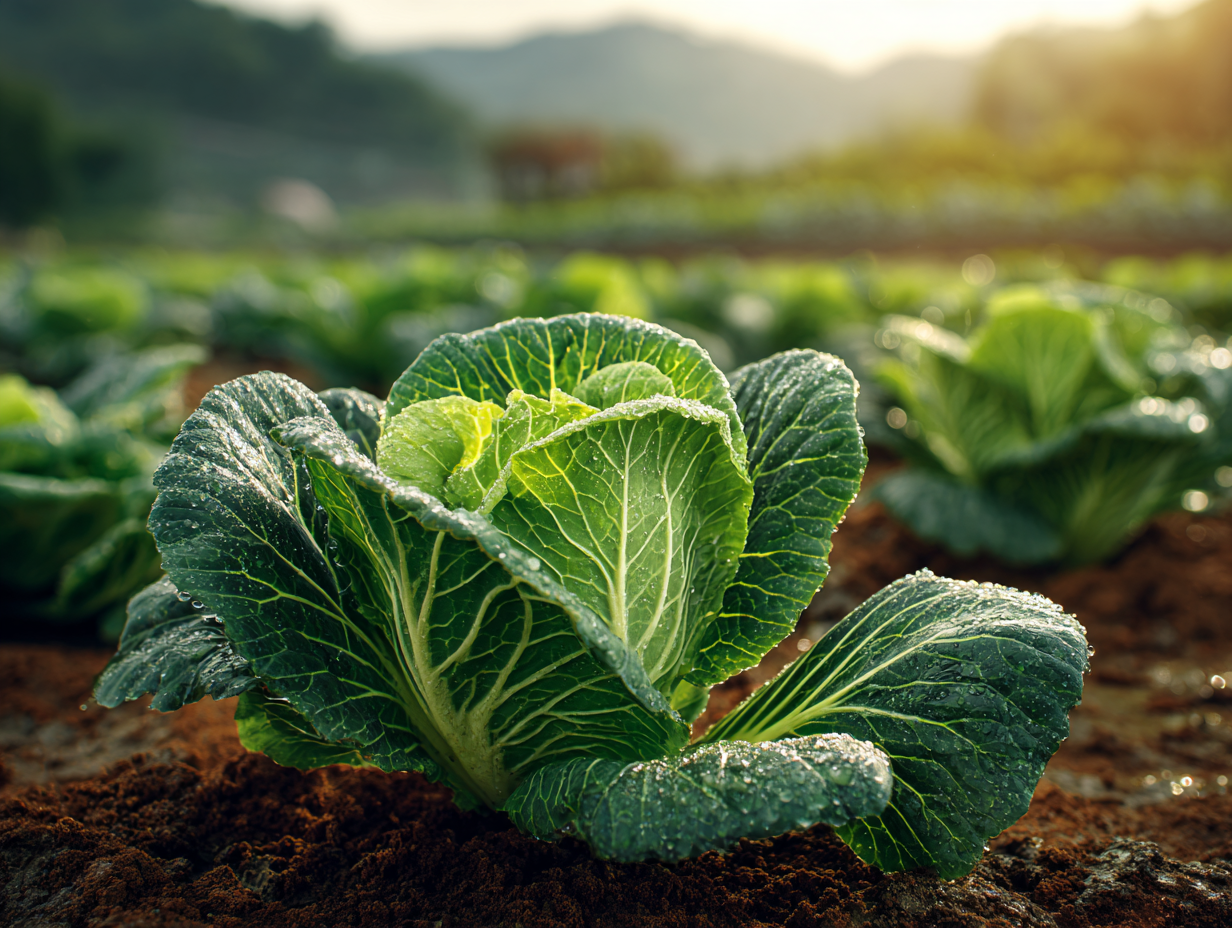
Broccoli is a cool-season annual grown from seed, thriving in temperatures between 65°F and 75°F (18°C and 24°C) and famously tolerating light frost, which can actually sweeten its flavor. Plants are typically started indoors and transplanted to the garden, or directly seeded in late summer for a fall harvest. The edible portion is actually the plant’s immature flower buds—the familiar green head is a tight cluster of thousands of tiny unopened buds. If left unharvested, those buds open into small yellow flowers. After the central head is cut, most varieties produce smaller side shoots that can be harvested over several additional weeks, extending the season.
Good to know
- The name broccoli comes from the Italian word broccolo, meaning ‘the flowering crest of a cabbage.’
- Sulforaphane, broccoli’s most studied bioactive compound, is actually produced by an enzymatic reaction that only starts when the vegetable is cut, chewed, or damaged—the plant’s own defense mechanism.
- Broccoli sprouts have been reported to contain significantly higher concentrations of sulforaphane precursors than mature broccoli heads, making them a more concentrated source of the same compound in a much smaller serving.
- Former US President George H.W. Bush famously declared as president that he would no longer eat broccoli, sparking national headlines and prompting broccoli growers to send truckloads to Washington, D.C., in protest.
- Freezing actually preserves most of broccoli’s nutrients very well—commercially frozen broccoli is often blanched within hours of harvest, locking in vitamins before any degradation can occur.