Kohlrabi
Kohlrabi is that wonderfully crunchy, mild-sweet bulb that rewards curious home cooks with versatility and great nutrition.
In a nutshell
Kohlrabi is a member of the cabbage family that forms a swollen, turnip-like stem just above the ground. Its flavor is a gentle cross between broccoli stem and jicama — mild, slightly sweet, and very crisp. Both the bulb and the leafy greens attached to it are completely edible.
Nutrition
≈ 4 Calories and 0g fat per tablespoon.
Kohlrabi punches well above its 27-calorie-per-100g weight, delivering a solid 1.8 grams of dietary fiber per 100g that supports digestive health and steady energy. It’s a standout source of vitamin C — a single cup covers roughly 85% of the daily recommended value — along with potassium and B6, which support heart function and metabolism. The glucosinolates it shares with other brassicas have been widely studied for their potential protective properties, and its very low fat and sodium content make it a smart choice for nearly any eating style. Nutrition per 100g via Spoonacular.
Culinary uses & pairings
Raw kohlrabi is a revelation in the kitchen. Peel the tough outer skin, then slice it into matchsticks for slaws and salads, or cut it into coins for dipping in hummus or ranch. Its satisfying crunch and mild sweetness mean it can stand in for jicama in many recipes. Shredded kohlrabi also makes a fantastic base for a quick Asian-style slaw dressed with rice vinegar, sesame oil, and a pinch of chili flakes.
When cooked, kohlrabi becomes tender and subtly sweet without turning mushy. Roast cubes at 425°F (220°C) with olive oil and garlic until caramelized at the edges, toss it into stir-fries during the last few minutes of cooking, or simmer it in soups and stews much like you would turnip. The greens are a bonus — sauté them in butter with a little garlic exactly as you would kale or collard greens.
Pairs well with
Substitutions
Buying & storage
Look for kohlrabi bulbs that feel firm and heavy for their size, with smooth, unblemished skin. Smaller bulbs — roughly the size of a tennis ball (about 3 to 4 inches across) — are sweeter and more tender; very large bulbs can be fibrous and woody at the core. If the greens are still attached, they should look fresh, bright, and not wilted — that’s a reliable sign of overall freshness. Both green and purple varieties taste essentially the same, so choose whichever looks best at the market.
Varieties
- Green Kohlrabi: The most common variety in US supermarkets; pale green skin with white flesh and a classic mild, sweet flavor.
- Purple Kohlrabi: Striking violet skin that fades to white flesh inside; identical in taste and texture to green, but a beautiful pop of color on a crudité platter.
- Gigante (Giant) Kohlrabi: An heirloom type that can grow to several pounds without becoming woody — popular at farmers markets and great for stuffing or roasting in large chunks.
Cooking with kohlrabi tonight?
Find kohlrabi recipes that match your diet — keto, high-protein, vegan, under 30 minutes — and build a shopping list in one tap.
History & origin
Kohlrabi was developed in Europe during the 1500s, with early written records appearing in Germany around 1554 — the name itself comes from the German words for cabbage (Kohl) and turnip (Rübe, rendered in dialect as Rabi). It spread rapidly across northern and eastern Europe, becoming a staple in German, Austrian, and Eastern European cooking. European immigrants carried it to the United States in the 19th century, where it remained mostly a specialty crop for much of the 20th century. In recent decades a renewed interest in farmers markets, farm-to-table cooking, and global cuisines — where kohlrabi is a beloved everyday vegetable in India, China, and Vietnam — has pushed it firmly back into the American culinary spotlight.
How it’s made
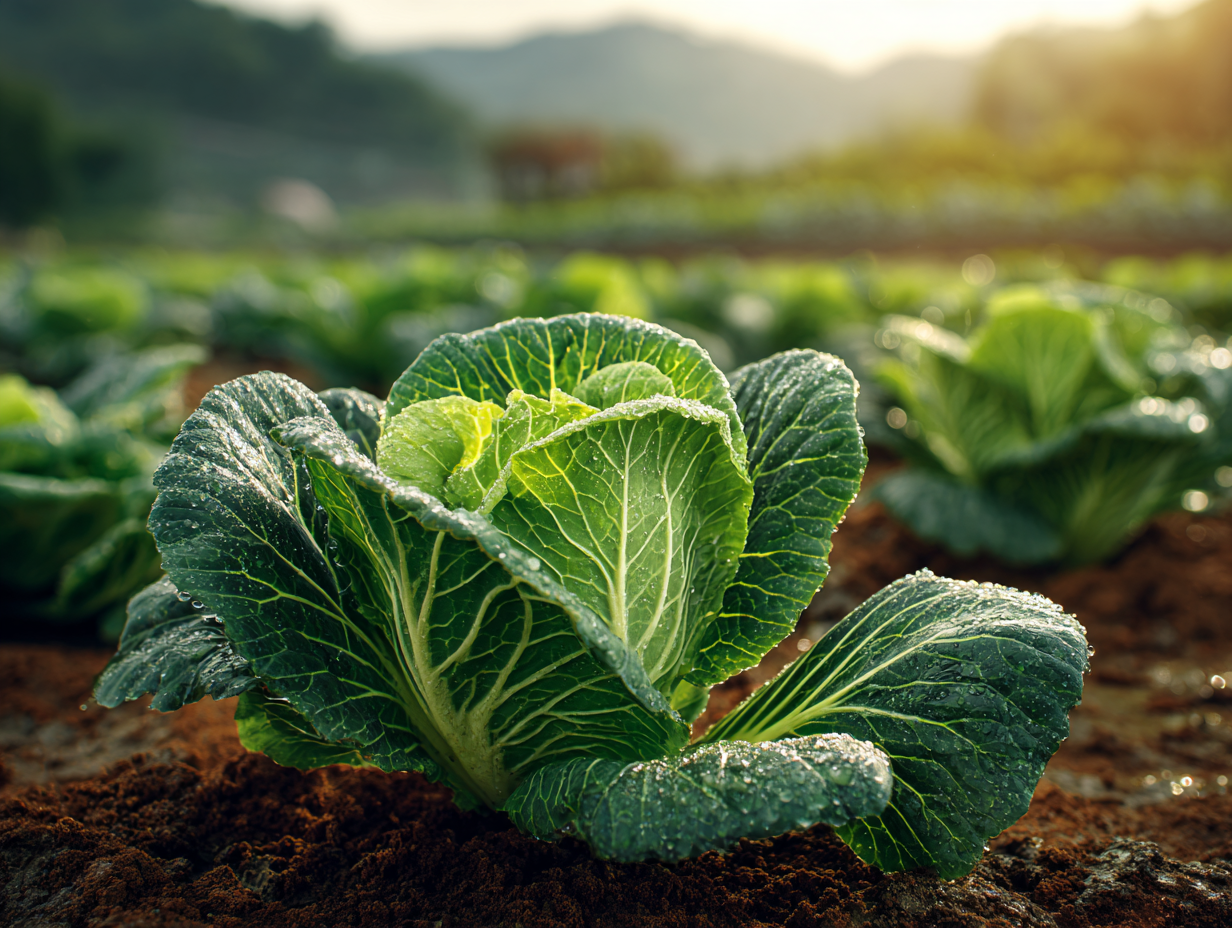
Kohlrabi is a cool-season biennial vegetable grown as an annual. Farmers and home gardeners direct-sow or transplant seedlings in early spring or late summer, since the plant thrives in temperatures between 45°F and 75°F (7°C and 24°C). The edible part is not a root but a swollen stem — botanically an enlarged stem base, sometimes loosely called a “corm” though it is not a true corm — that forms just above the soil line and enlarges as the plant matures. Most varieties are ready to harvest in 50 to 70 days when bulbs reach 2 to 4 inches in diameter. Because it matures quickly and tolerates light frost, kohlrabi is a favorite for succession planting and is one of the easier brassicas for home gardeners to grow.
Good to know
- The edible swollen part of kohlrabi is technically an enlarged stem base, not a root — it grows entirely above the ground.
- Kohlrabi is one of the faster-maturing vegetables in the brassica family, often ready to pick in 50 to 70 days from transplanting.
- In Kashmir, India, kohlrabi (called monj) is a dietary staple and appears in a beloved curry made with the stems and greens together.
- The purple color of some varieties comes from anthocyanins — the same antioxidant pigments found in blueberries and red cabbage — but the flesh underneath is always white.
- Despite looking like something from another planet, kohlrabi is essentially a cultivated form of wild cabbage, making it a close cousin of broccoli, Brussels sprouts, and kale.