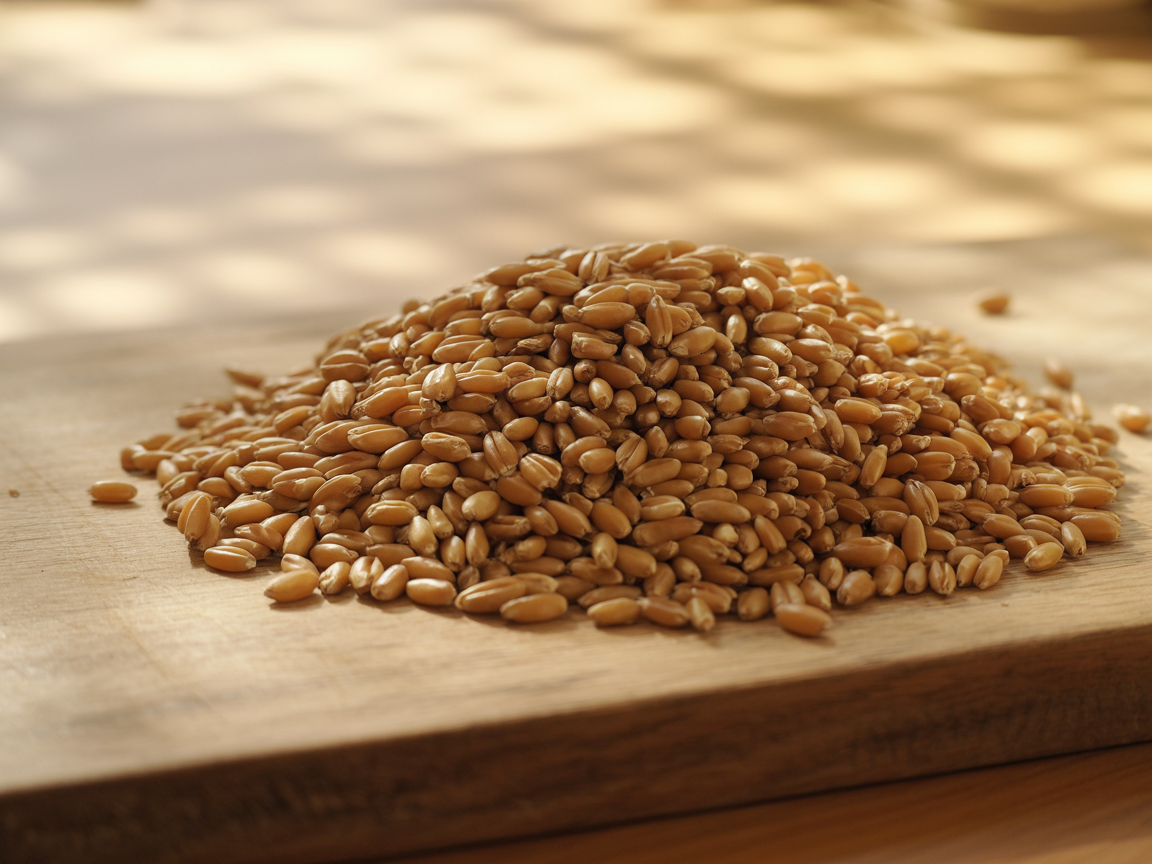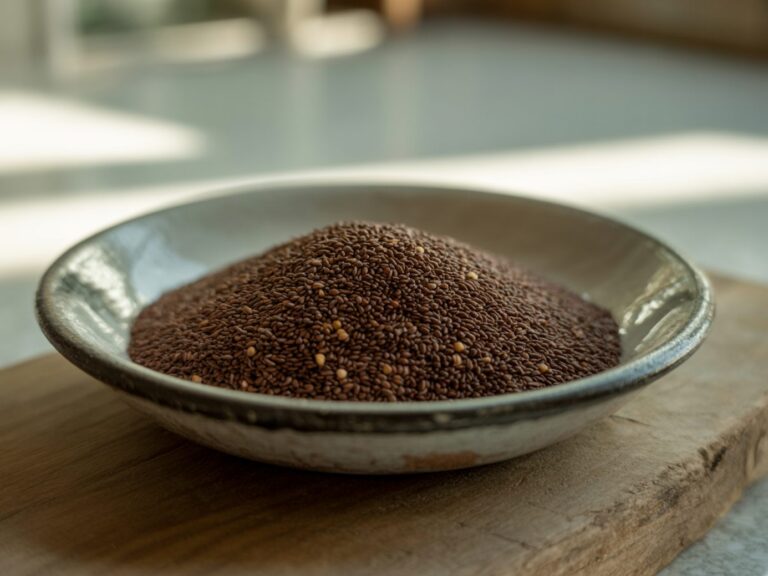
Finger Millet (Ragi)
Finger millet (ragi) is a humble ancient grain with a rich, earthy depth that rewards adventurous home cooks.
In a nutshell
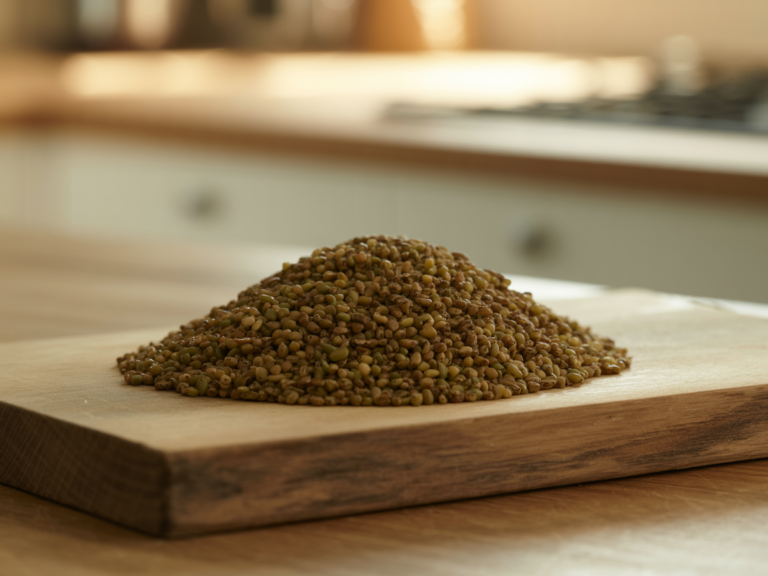
Finger millet, widely known by its Indian name ragi, is a small reddish-brown grain that has nourished communities across Africa and South Asia for thousands of years. It has an earthy, slightly nutty flavor and a dense, satisfying texture. Ground into flour, it’s one of the most versatile whole-grain additions you can keep in a well-stocked pantry.
Nutrition
≈ 44 Calories and 0.2g fat per tablespoon.
Finger millet earns its reputation as a nutritional powerhouse largely through its exceptional calcium content, which is remarkably high for a grain and makes it especially valuable for those who don’t rely on dairy. It also delivers a meaningful amount of iron and magnesium, supporting energy metabolism and bone health. The grain’s carbohydrate profile is notable because a significant portion comes from complex, slowly digested starches, helping to moderate blood-sugar spikes compared to refined grains. Its polyphenols and tannins—concentrated in the outer seed coat—act as antioxidants and have been linked to anti-inflammatory properties in traditional and emerging nutritional research. The modest fat content is primarily polyunsaturated and monounsaturated, making the overall lipid profile favorable for everyday eating. Nutrition per 100g via Spoonacular.
Culinary uses & pairings
Ragi flour is the workhorse form of finger millet in the American home kitchen. Swap it in for up to half the all-purpose flour in pancakes, muffins, or quick breads for a deeper, nuttier crumb. It’s also the base for ragi mudde (steamed dough balls) and ragi dosa (thin crispy crepes), both easy weeknight projects once you get comfortable with the flour’s thirsty nature—it absorbs liquid quickly, so let batters rest a few minutes before cooking.
Beyond baking, whole finger millet can be toasted and cooked like a porridge (similar to polenta or grits) by simmering in water or milk until thick. It also works beautifully in energy balls, granola bars, and ladoo (sweet Indian confections) because its earthy flavor pairs naturally with jaggery, coconut, and warming spices. Sprouted ragi flour, available at specialty stores, has a milder taste and slightly improved digestibility, making it a great entry point for cooks new to the grain.
Pairs well with
Substitutions
Buying & storage
Look for finger millet flour (labeled ragi flour or nachni flour) at Indian grocery stores, well-stocked natural food stores, or online. Choose bags that are tightly sealed and free of any musty smell; the flour should be a warm reddish-brown with no gray or off-color patches. Whole grain ragi is less common in the US but can be found at South Asian markets; pick bags with uniform, plump kernels and no visible moisture. Sprouted ragi flour is a premium option worth trying—it’s slightly pricier but easier to digest and has a gentler flavor for those new to the grain.
Types
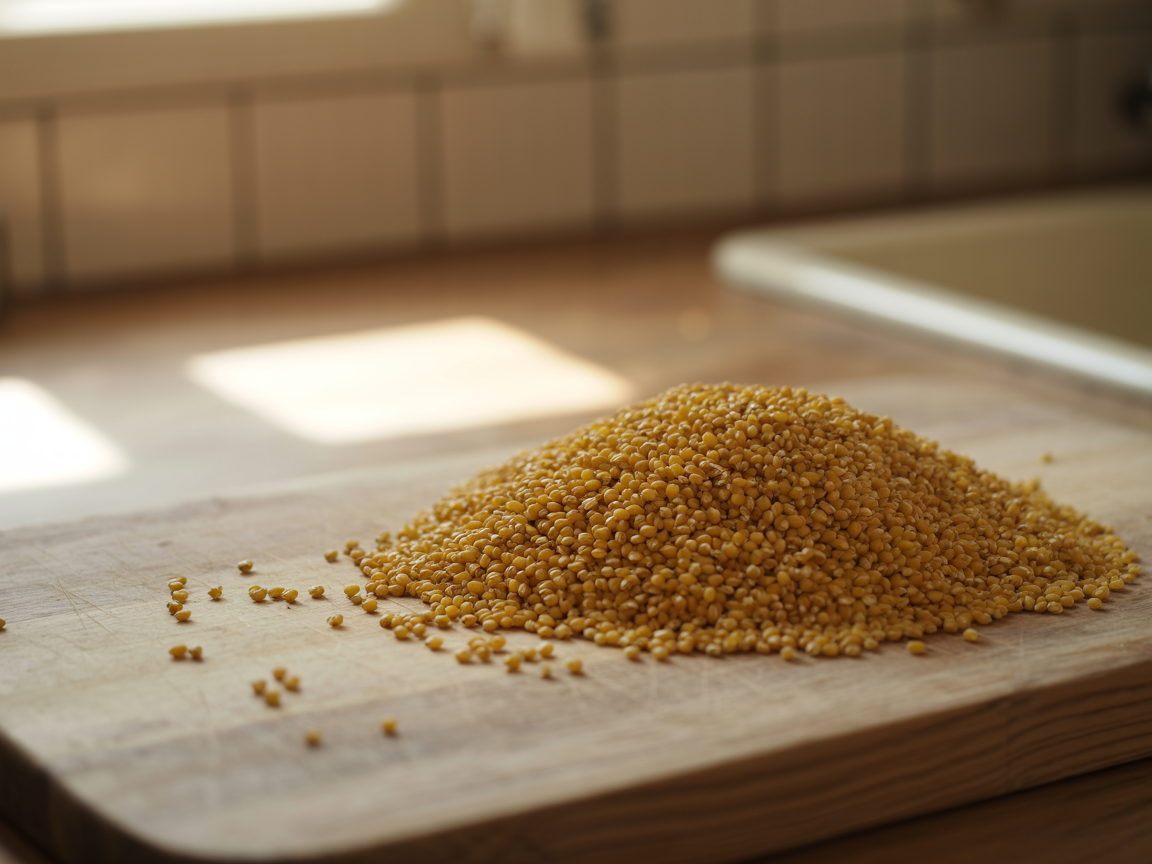
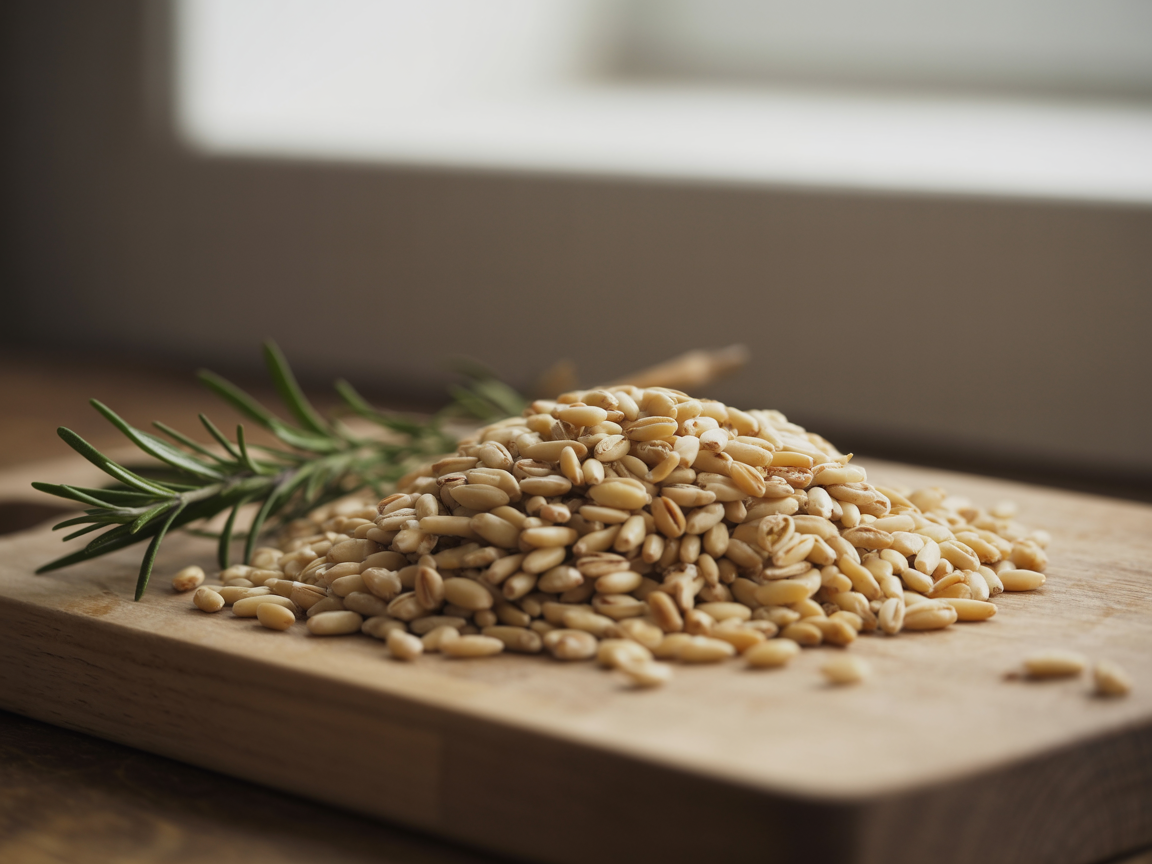
- Whole Finger Millet (Grain): The unprocessed grain; best for porridges and traditional preparations; requires longer cooking and has the most intact nutritional profile.
- Ragi Flour (Stone-Ground): The most common form in US stores; retains the bran and germ, giving it the characteristic reddish color and earthy flavor.
- Sprouted Ragi Flour: Made from germinated finger millet; milder, slightly sweeter taste with improved mineral bioavailability; great for baby foods and smoothies.
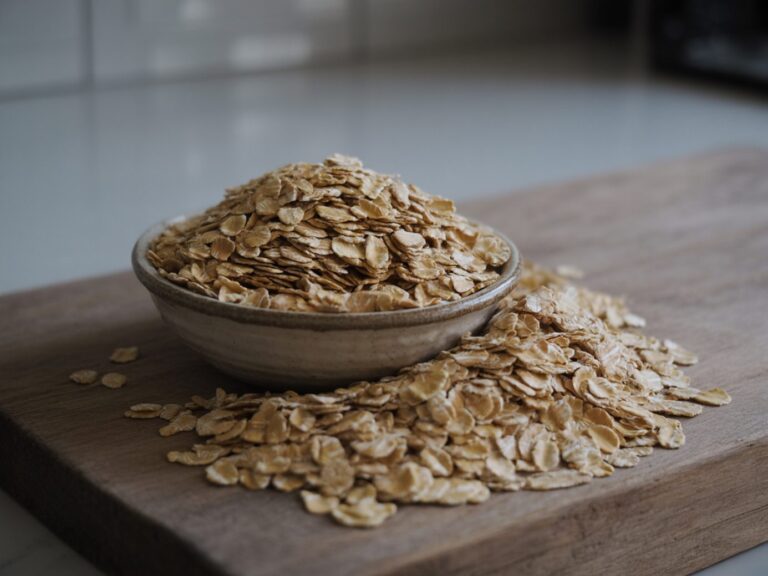
- Ragi Flakes: Rolled like oats; can be cooked into a quick porridge or stirred into granola; less common in the US but available at specialty South Asian grocers.
Cooking with finger millet tonight?
Find finger millet recipes that match your diet — keto, high-protein, vegan, under 30 minutes — and build a shopping list in one tap.
History & origin
Finger millet is one of humanity’s oldest cultivated crops, with archaeological evidence of its domestication in the highlands of Ethiopia and Uganda dating back at least 5,000 years. It spread along ancient trade routes into India, where it became a dietary cornerstone—particularly in Karnataka, Tamil Nadu, and Andhra Pradesh—earning the local name ragi (in Kannada and Telugu) or nachni (in Marathi). For centuries it was a primary calorie source for rural and agricultural communities across the Deccan Plateau, valued precisely because it thrives in poor soils and semi-arid climates where other grains fail. In the 20th century, the Green Revolution shifted Indian agriculture toward rice and wheat, and ragi fell out of fashion as a “poor man’s grain.” Today it’s experiencing a well-deserved revival as nutrition-conscious eaters worldwide rediscover its dense micronutrient profile and naturally gluten-free credentials.
How it’s made
Finger millet plants grow as compact grasses with a distinctive finger-like cluster of seed heads—typically four to nine curved spikes radiating from a central stem, which gives the grain its English name. The tiny, round seeds range from deep red-brown to pale white depending on the variety, and the red types are most prized for their higher antioxidant content. After harvest, the grain is threshed to separate seeds from stalks, then sun-dried to reduce moisture below 12 percent for safe storage. To produce ragi flour, the dried grain is milled—traditionally on stone mills, commercially on roller mills—with the entire grain (bran, germ, and endosperm) ground together, keeping it a true whole-grain flour. For sprouted flour, grain is soaked, allowed to germinate for 24 to 48 hours, then dried at a low temperature before milling to preserve heat-sensitive nutrients.
Good to know
- Finger millet has one of the highest calcium levels of any grain—roughly 344 mg per 100g according to Indian food composition data—making it historically important wherever dairy was scarce.
- The grain is known for its exceptional storability; under proper cool, dry conditions it can be kept for considerably longer than most grains without significant nutrient loss, a quality that made it a critical famine-reserve crop across sub-Saharan Africa.
- Unlike most grains, finger millet contains no gluten, so it’s naturally suited for people with celiac disease or gluten sensitivity, though cross-contamination at processing facilities is worth checking.
- Traditional South Indian ragi mudde—dense dough balls eaten with sambar or lentil soup—remains a staple in Karnataka and is recognized for its low glycemic index, making it a common dietary recommendation for people managing blood sugar.
- The reddish pigment in finger millet comes from condensed tannins and anthocyanins, the same class of antioxidant compounds found in blueberries and red wine.